Were Cellular Blinds Really Worth the Extra Money? Three Customers Gave Me Their Answer
One of the things I enjoy most about my job is going back to see existing customers.
Not because something has gone wrong.
Usually, it's the opposite.
They were happy with the blinds we fitted the first time and now they want us to help with another room.
Yesterday was one of those days.
I visited three previous customers in Groby, Rothley and Markfield.
Three different homes. Three different windows. Three different requirements.
But they all had one thing in common.
Earlier this year, I'd recommended cellular blinds to solve a problem in their homes.
And all three had wondered whether the extra cost was really worth it.
Yesterday, I got my answer.
Three Homes. Three Different Problems.
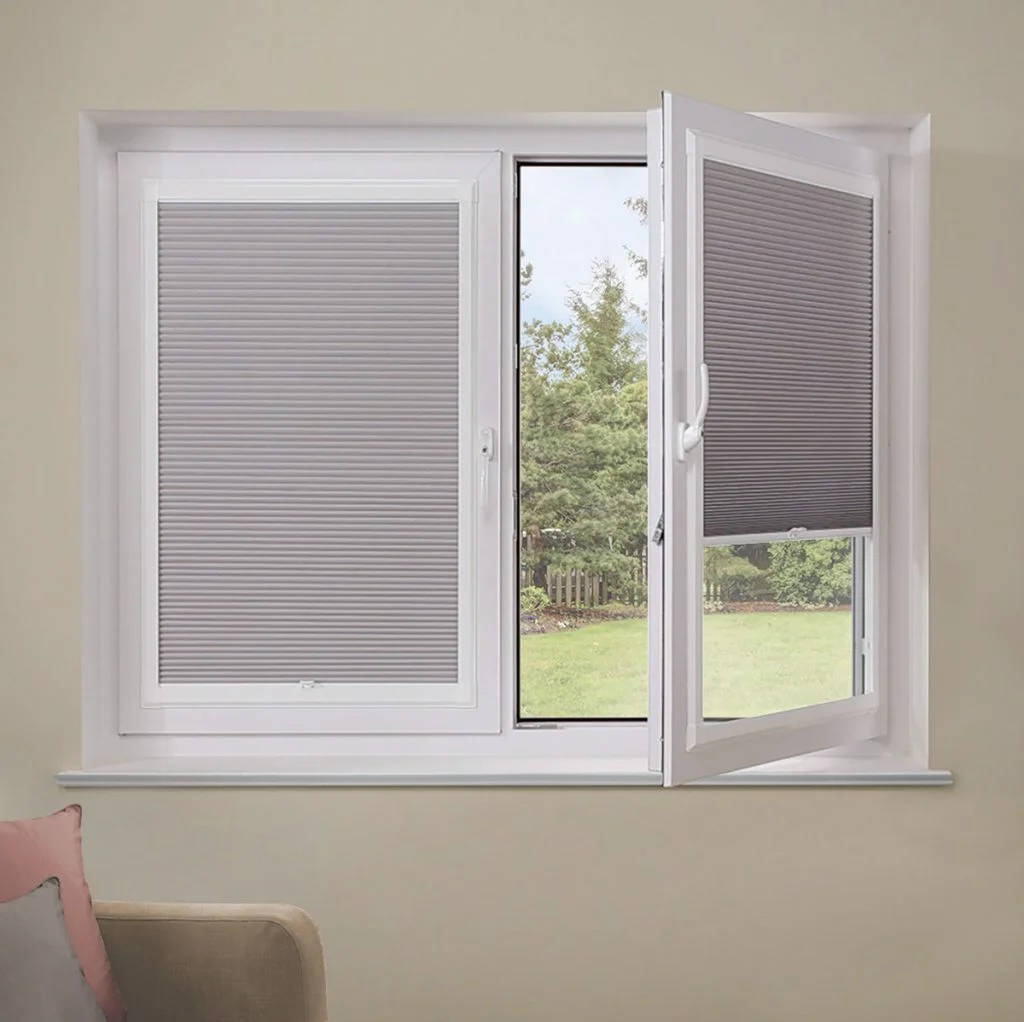
The first customer, in Groby, had Perfect Fit cellular blinds fitted in a conservatory.
The problem was heat and glare. Lots of glass looks fantastic, but when the sun comes out, that room can quickly become uncomfortable.
The second customer, in Rothley, had a large motorised cellular blind fitted to a roof lantern.
Again, heat and glare were the issue.
The third customer, in Markfield, needed a large blind for her daughter's bedroom.
This one had two jobs to do: help control the heat during the day and provide really good blackout at night.
Three very different windows.
Three slightly different problems.
But in each case, I'd recommended the same type of fabric construction:
cellular blinds.
"I Thought It Was Salesman's Patter"
Here's the bit I found most interesting.
All three customers admitted that, when I originally recommended cellular blinds, they'd had their doubts.
And, to be fair, I couldn't blame them.
In every case I was effectively saying:
"Yes, I know this blind costs more. But I genuinely think it's the better option for this room."
That's an awkward sentence for any salesperson to say.
Because what's the customer supposed to think?
Is he recommending this because it's genuinely going to make a difference?
Or because it's the most expensive blind on the quote?
One of the customers more or less summed it up perfectly yesterday:
"I thought it was salesman's patter."
Fair enough.
Cellular blinds were the most expensive option I'd quoted, so a little scepticism was entirely reasonable.
But several months and a few very hot days later, all three had reached pretty much the same conclusion.
The extra money had been worth it.
"They've Been Better Than We Expected"
That was the message I heard at all three appointments.
The cellular blinds hadn't just done what the customers hoped.
They'd performed better than expected.
And the timing couldn't have been much better.
We're now experiencing our fifth heatwave of the year, so those blinds have had a proper test.
The Groby conservatory has lots of glass.
The Rothley customer has all that sunlight coming through a roof lantern.
And in Markfield, the blind needed to help make a bedroom both cooler during the day and properly dark at night.
Now, I always try to be careful when talking about heat control.
No blind can stop the sun shining.
And fitting a blind isn't suddenly going to turn a conservatory or garden room into an air-conditioned space.
But the right blind can make a noticeable difference to how comfortable a room feels.
That's exactly what these three customers have experienced.
So Why Do Cellular Blinds Help With Heat?
This is where the construction makes a difference.
A cellular blind isn't simply one flat piece of fabric.
Viewed from the side, the fabric forms a honeycomb structure, creating small pockets of air within the blind.
Those pockets provide an additional insulating barrier at the window.
For rooms where summer heat is the main concern, we would normally recommend a cellular fabric with a white backing. This helps reflect more solar energy back towards the glass rather than absorbing it into the room.
And there's another benefit.
That insulating construction works both ways.
So when the weather eventually remembers that we live in Britain and turns cold again, the same blind can also help reduce heat loss through the window.
In other words, cellular blinds don't only earn their keep during a heatwave.
What About Blackout?
The Markfield job is a good example of why we don't recommend blinds based purely on what they look like.
The customer's daughter needed the bedroom to be darker as well as cooler.
And there's an important distinction here.
A fabric can be described as blackout because light doesn't pass directly through the material.
But that doesn't necessarily mean the room will be completely dark.
Light can still creep around the edges of a conventional blind.
So if someone tells us their priority is achieving the darkest bedroom possible, the conversation isn't simply:
"Which blackout fabric do you like?"
We need to look at the whole system and how it deals with those light gaps.
That's what we did in Markfield.
Again, the product recommendation came after understanding the problem—not before it.
Then One Customer Put It in Writing
One of the customers subsequently left us this five-star Trustpilot review:
"We had our conservatory blinds (perfect fit) fitted last year by Barlow blinds it has been the best decision we made they look fantastic and we have nothing but praise for the service received, these blinds have been a godsend especially during the hot weather would definitely recommend."
If you would like to read the review on Trustpilot click here
I could probably spend the next 500 words telling you why I think cellular blinds are good.
But I'm not sure I'd write a better advert for them than that.
Two phrases particularly stood out to me:
"the best decision we made"
and:
"a godsend especially during the hot weather."
Remember, this was a customer who'd initially wondered whether paying more was worthwhile.
That's what makes the feedback meaningful.
Does That Mean Everyone Should Buy Cellular Blinds?
No.
And this is important.
We don't automatically recommend the most expensive blind.
There are plenty of windows where a simpler and cheaper blind will do exactly what the customer needs.
If that's the case, I'll happily tell you.
But there are other situations where paying more for additional performance makes sense.
That's why our measuring appointments aren't just about turning up with some fabric books, choosing a colour and getting the tape measure out.
Before recommending anything, I want to understand what you're actually trying to fix.
Is the room unbearably hot when the sun comes out?
Is glare making the television difficult to see?
Are you trying to work on a computer with sunlight reflecting off the screen?
Does a child's bedroom need to be properly dark?
Is privacy the biggest concern?
Or is there no particular problem at all and you simply want the window to look better?
Those answers can lead to very different recommendations.
Sometimes the right answer is a cellular blind.
Sometimes it isn't.
The important thing is understanding why you're buying the blind before deciding which blind to buy.
Are Cellular Blinds Worth the Extra Money?
For the right window and the right problem, yes, I believe they can be.
But you don't have to take my word for it.
Yesterday, I had three customers independently tell me that the cellular blinds I'd recommended had performed better than they'd expected.
And I'll admit, that was particularly satisfying.
Because months earlier, I'd been the bloke standing in their homes telling them:
"I know this one's more expensive, but I think you'll notice the difference."
They had every right to be sceptical.
Now they'd lived with the blinds through some seriously hot weather and could judge for themselves.
That's one of the nicest things about going back to an existing customer.
The second appointment tells you whether the advice you gave at the first one was actually right.
After three appointments yesterday, I came away pretty happy with the answer and three more blind orders.
Frequently Asked Questions About Cellular Blinds
Do cellular blinds really keep a room cooler?
They can make a noticeable difference, particularly in rooms with lots of glass such as conservatories, garden rooms and rooms with roof lanterns.
The honeycomb construction creates pockets of air within the blind, providing an additional insulating barrier at the window. For heat control, we would normally recommend a cellular fabric with a white backing to help reflect more solar energy back towards the glass.

That said, no blind can completely stop a room getting hot during prolonged sunny weather. It's about reducing the impact of the heat rather than eliminating it altogether.
Are cellular blinds worth the extra money?
It depends on what you're trying to achieve.
Cellular blinds will often cost more than simpler blind options, so we wouldn't recommend paying the extra money unless there's a reason to.
Where heat control, insulation or blackout performance is particularly important, the additional cost can make sense. That's exactly what happened with the three customers in this article: all paid more for cellular blinds and subsequently told us they'd performed better than expected.
For a window without those requirements, a less expensive blind may be perfectly adequate.
Do cellular blinds help keep heat in during winter?
Yes. The same honeycomb construction that can help with summer heat also provides additional insulation at the window during colder weather.
The pockets of air within the blind create a barrier between the room and the glass, which can help reduce heat loss.
So although people often start looking at cellular blinds because they're struggling with an excessively hot room in summer, their insulating properties can be useful throughout the year.
Are cellular blinds completely blackout?
Cellular blinds are available with blackout fabrics, but there's an important distinction between blackout fabric and a blackout room.
A blackout fabric prevents light passing directly through the material. However, with a conventional blind, some light can still enter around the edges.
If achieving the darkest possible bedroom is important particularly for children's bedrooms, shift workers or light sleepers we would look at cellular systems specifically designed to reduce those light gaps rather than simply choosing a blackout fabric.
What types of windows are cellular blinds best suited to?
Cellular blinds can work particularly well where heat, glare, insulation or blackout are priorities.
Depending on the system, they can be suitable for standard windows, Perfect Fit installations, larger windows and roof lanterns.
But the window itself is only half the question.
We'd also want to understand what problem you're trying to solve. The best blind for a sunny garden room isn't necessarily the best blind for a bedroom, even if both would benefit from cellular fabric.
When would you not recommend cellular blinds?
If you don't need the additional performance they offer, there may be little reason to pay the extra cost.
For example, if your main priority is simply privacy or changing the appearance of a room, a less expensive blind could do the job perfectly well.
That's why we don't automatically recommend cellular blinds or automatically recommend the most expensive option.
The right blind isn't the one that costs the most. It's the one that solves the problem you're actually trying to fix.
About Phil Coleman
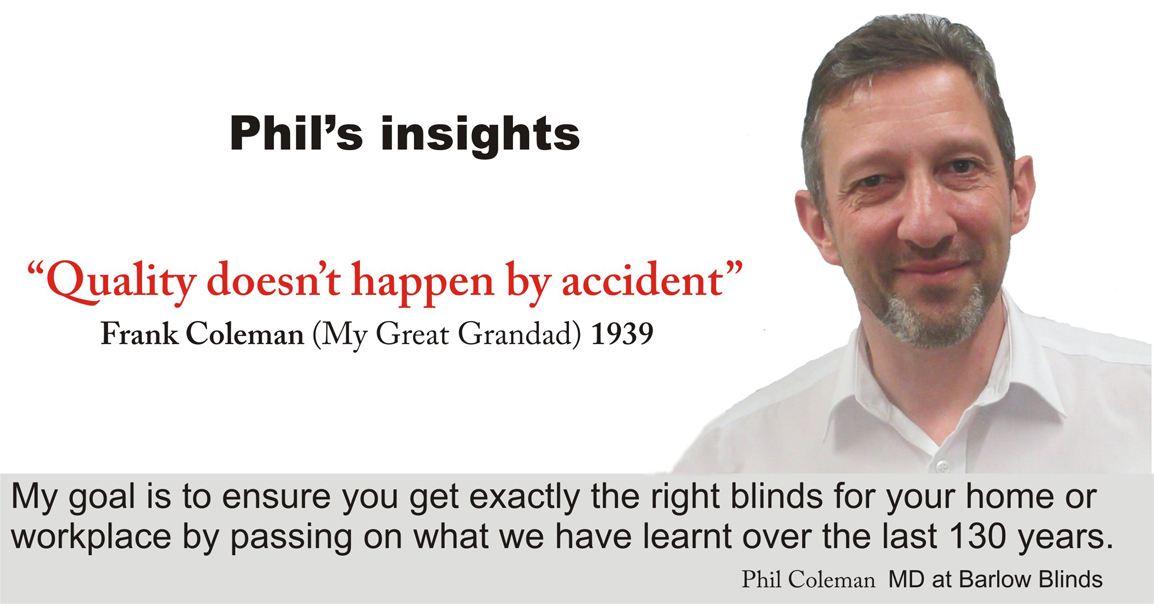
Phil Coleman is the fifth generation of his family to run Barlow Blinds, a Leicester business that has been making blinds since 1887. With over 30 years of hands-on experience, Phil has played a leading role in shaping industry standards including being part of the team that wrote the only NVQ qualification for blind and shutter installers. He also serves on the Management Committee of the British Blind & Shutter Association (BBSA), helping to set best practice across the trade. Under his leadership, Barlow Blinds has remained true to its founding principle: “It’s not our job to find customers for our blinds, it’s our job to find the right blinds for our customers.”
Article Review & Accuracy
Reviewed by: Phil Coleman, Managing Director, Barlow Blinds
Last reviewed: August 2026
Our promise
If new evidence, products or British Standards change our advice, we'll update this article. If we make a mistake, we'll correct it.
This article forms part of the Barlow Blinds Knowledge Centre and is written or personally reviewed by Phil Coleman, drawing on more than 35 years' experience, guidance from the British Blind & Shutter Association (BBSA), British Standards where applicable, manufacturer technical information and real customer feedback.
Major updates to this article are shown at the top or bottom of the page.