By Ady, Factory Manager
A couple of weeks ago, Phil, my boss, visited a customer's home to measure for three new wooden Venetian blinds.
While he was there, the customer asked him about another blind.
It wasn't one we'd made or fitted.
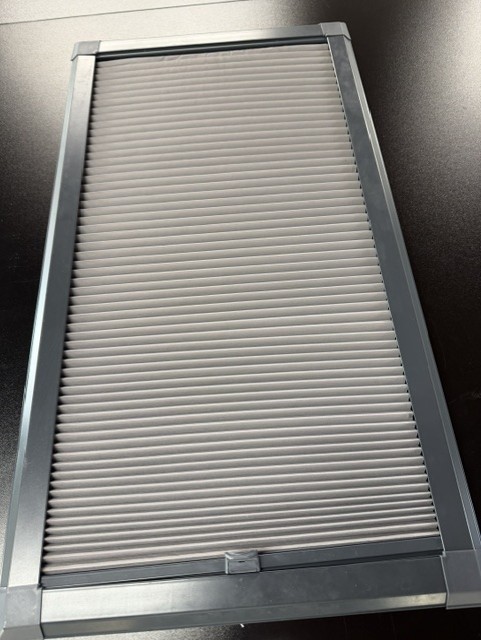
It was a cellular Perfect Fit blind with an anthracite frame, and the operating cord had snapped.
“Is that something you can repair?”
Yes.
We manufacture Perfect Fit blinds ourselves in our Leicester factory, so restringing one isn't particularly unusual for us.
Normally, we only repair blinds that we've supplied ourselves. But as the customer was already ordering three new blinds from us, helping with this one wasn't a problem.
So Phil brought it back to the factory.
And that's where things got interesting.
Something Didn't Look Right
When the blind came back, it ended up with me.
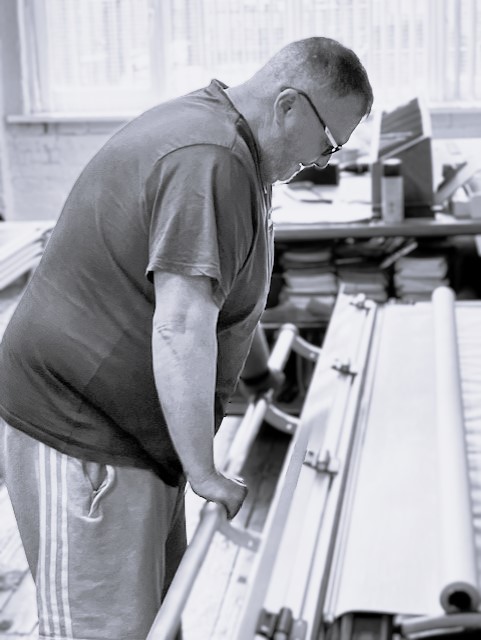
I'm Ady, our factory manager, and as soon as I started working on it, I noticed a few things.
The Perfect Fit frame was anthracite.
But the brackets holding the cellular blind inside the frame were white.
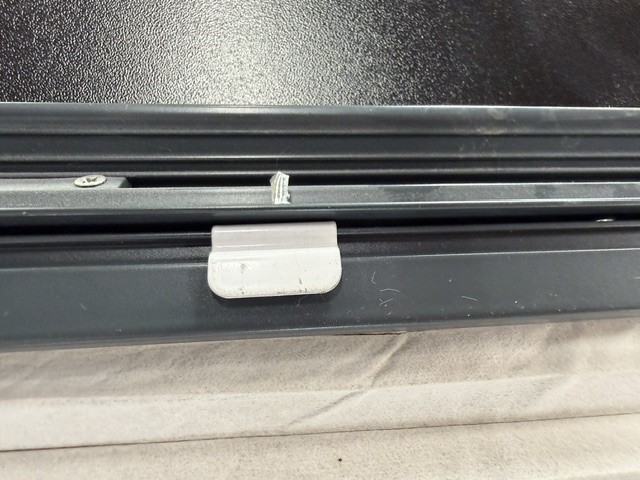
The operating cord was white.
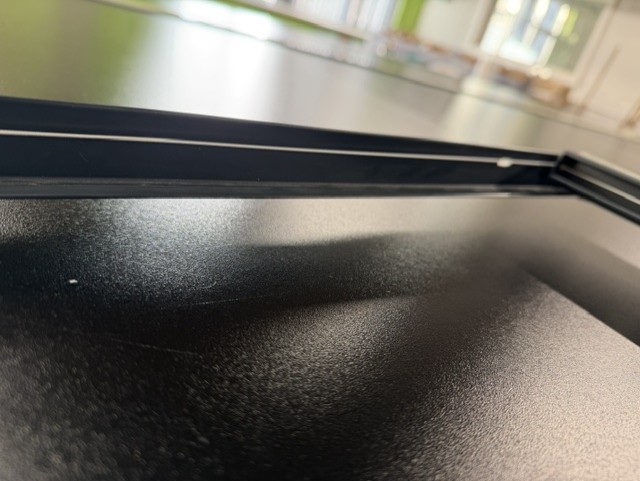
And there was no anthracite cover strip across the bottom rail, which meant some of the white components were visible.
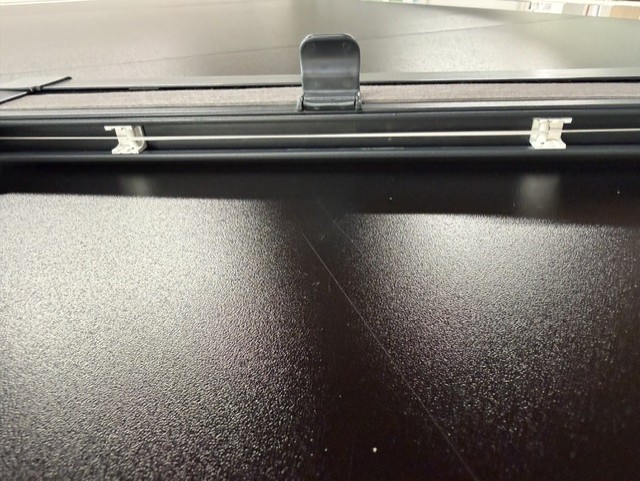
None of this stopped the blind from working.
And, importantly, the customer hadn't complained about any of it.
She just wanted us to repair the snapped cord.
But now I had a decision to make.
Do I Repair It Their Way or Ours?
If we'd manufactured this blind originally, those details would have been different.
With an anthracite Perfect Fit frame, we'd use anthracite components wherever possible.
Anthracite brackets.
Anthracite cord.
And an anthracite cover strip across the bottom rail.
They're tiny details.
Most people probably wouldn't even notice them.
But put them together and the finished blind looks more considered. Nothing catches your eye that shouldn't.
And I had all those components sitting right there in the factory.
It would have been easy.
I could restring the blind with anthracite cord, change the visible white brackets and add the missing cover strip.
In my eyes, it would look better.
I was tempted.
Then I thought about where the blind was going.
Making It “Better” Would Have Made It Worse
This wasn't the only blind on the window.
There were other matching blinds sitting alongside it, all manufactured in exactly the same way.
White cord. White brackets. No anthracite cover strip.
If I changed this one to the way we would manufacture it, we'd send the customer back a blind that suddenly didn't match the others.
We'd have “improved” one blind and, in doing so, created another problem.
And the customer hadn't asked us to improve it in the first place.
She hadn't even noticed those details.
She just wanted the cord fixed.
So I made the decision.
The white cord went back in.
It was the right thing to do.
I'll admit, though, it still bothered me a bit.
Sometimes Good Work Means Leaving Something Alone
When you manufacture blinds every day, you notice things most people probably wouldn't.
A white bracket against an anthracite frame isn't going to stop a blind working.
Neither is a white cord.
And leaving off a cover strip doesn't make the blind unusable.
But I notice those things because they're exactly the details we think about when we're making Perfect Fit blinds here in Leicester.
That's one of the advantages of manufacturing them ourselves.
We decide how they're put together.
We choose the components.
We decide what we think the finished blind should look like.
But this repair was a useful reminder that doing a good job doesn't always mean doing something the way we think is best.
Sometimes it means looking at what the customer already has and leaving well enough alone.
So the white cord stayed.
And when that blind went back to the customer's home, it still matched the blinds sitting alongside it.
Which was exactly what it needed to do.
The next anthracite Perfect Fit blind we manufacture from scratch, though?
That one's getting anthracite cord.
Ady Mumford – Factory Manager
Ady has spent over 25 years in the Barlow Blinds factory and understands blinds manufacturing down to the smallest detail. As Factory Manager, he leads the team that makes many of our blinds right here in Leicester, ensuring every product leaving the factory meets the standards we’ve built our reputation on.
Article Review & Accuracy
Reviewed by: Phil Coleman, Managing Director, Barlow Blinds
Last reviewed: October 2026
Our promise
If new evidence, products or British Standards change our advice, we'll update this article. If we make a mistake, we'll correct it.
This article forms part of the Barlow Blinds Knowledge Centre and is written or personally reviewed by Phil Coleman, drawing on more than 35 years' experience, guidance from the British Blind & Shutter Association (BBSA), British Standards where applicable, manufacturer technical information and real customer feedback.
Major updates to this article are shown at the top or bottom of the page.