15 Questions Homeowners Ask About Overheating, South-Facing Rooms and Blinds
Research supported by the BBSA and UK universities is helping to demonstrate how blinds, shutters and external shading can reduce overheating in modern homes. Early findings suggest that choosing the right shading solution can significantly improve comfort, reduce glare and help maintain more stable indoor temperatures during warmer weather.
Modern homes are brighter and more open than ever before.
Large windows, bifold doors, roof lanterns, and open-plan spaces create incredible living environments but they can also create a problem many homeowners never expected:
Overheating.
It’s a conversation becoming increasingly important across the UK, particularly as summers become warmer and homes include larger areas of glazing.
At Barlow Blinds, we’re seeing more homeowners asking practical questions about heat, glare, comfort, and shading.
So here are 15 of the most common questions we hear.
1. Why do south-facing rooms get so hot?
South-facing rooms receive the highest amount of direct sunlight throughout the day, particularly during the afternoon when temperatures peak.
When large areas of glass are involved, that solar gain quickly builds heat inside the room especially in modern airtight homes.
2. Are overheating problems becoming more common in UK homes?
Yes.
Modern homes are often designed with:
- larger windows
- open-plan layouts
- bifold doors
- roof lanterns
- better insulation and airtightness
While these features improve light and energy efficiency, they can also trap heat indoors during warmer weather.
Industry research bodies including CIBSE and the Climate Change Committee have both highlighted overheating as a growing issue in UK housing.
3. Do blinds actually help reduce heat?
Yes the right blinds can make a significant difference.
Tests currently being carried out by BBSA The Authority on UK Shading and Loughborough University will provide exact data on how much blinds will help.
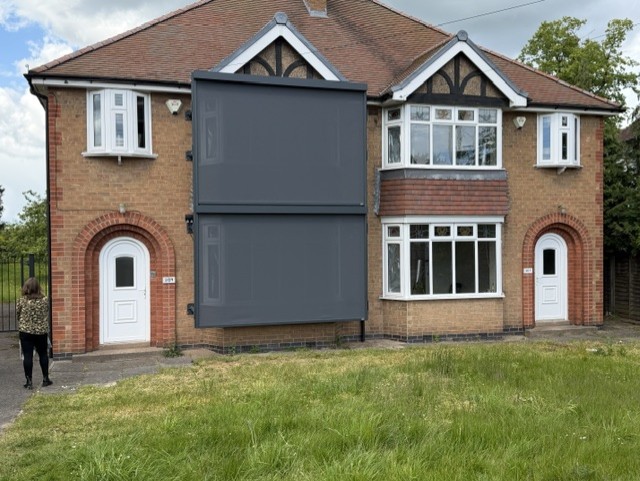
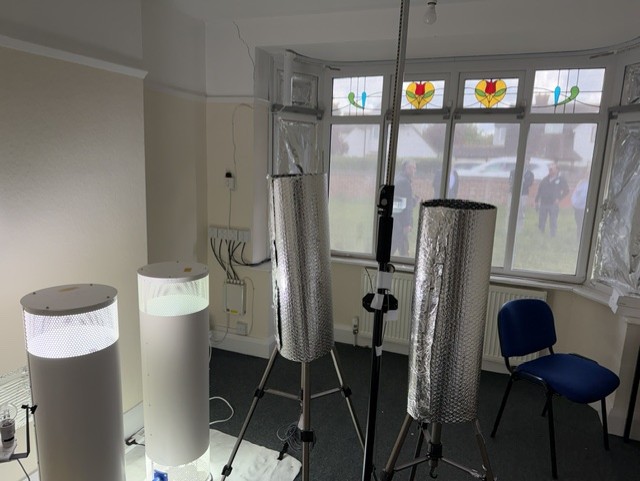
Blinds help by reducing solar gain through glazing, limiting the amount of heat entering the room.
Different products perform differently depending on:
- window direction
- glass size
- room usage
- fabric type
- whether shading is internal or external
4. What blinds are best for reducing heat in summer?
This depends on the space, but products commonly used to reduce overheating include:
- solar reflective roller blinds
- Cellular blinds
- shutters
- External shading systems
- Awnings
- Roof lantern blinds
The key is choosing a solution designed for thermal performance not just appearance.
5. Are shutters or blinds better for overheating?
Both can help, but they perform differently.
Shutters can provide excellent insulation and light control, while specialist blinds often offer greater flexibility for solar control and glare reduction.
The best option depends on the room and how the space is used.
6. Do external blinds or awnings work better than internal blinds?
In most cases, external shading can be highly effective because it helps stop heat before it reaches the glass.
That said, internal shading products can still make a major difference to comfort, glare, and temperature control when properly specified.
7. Why are bifold door rooms often difficult to keep cool?
Bifold doors usually involve large uninterrupted expanses of glass facing gardens or patios — often south or west facing.
This creates significant solar gain during warmer parts of the day.
Without shading, these spaces can quickly become uncomfortable.
8. Can blinds reduce glare as well as heat?
Absolutely.
In fact, glare is often one of the first things homeowners notice.
Strong sunlight can make:
- televisions difficult to watch
- laptops hard to use
- dining areas uncomfortable
- living spaces unpleasant during certain times of day
The right shading helps soften natural light while keeping rooms usable.
9. Should blinds be closed during hot weather?
Generally, yes.
Closing blinds before the room fully heats up is usually more effective than waiting until the space already feels hot.
The key is closing your blinds BEFORE your room gets hot. Once the heat is in the blinds will stop it escaping.
This is one reason behaviour and timing are such important parts of overheating research.
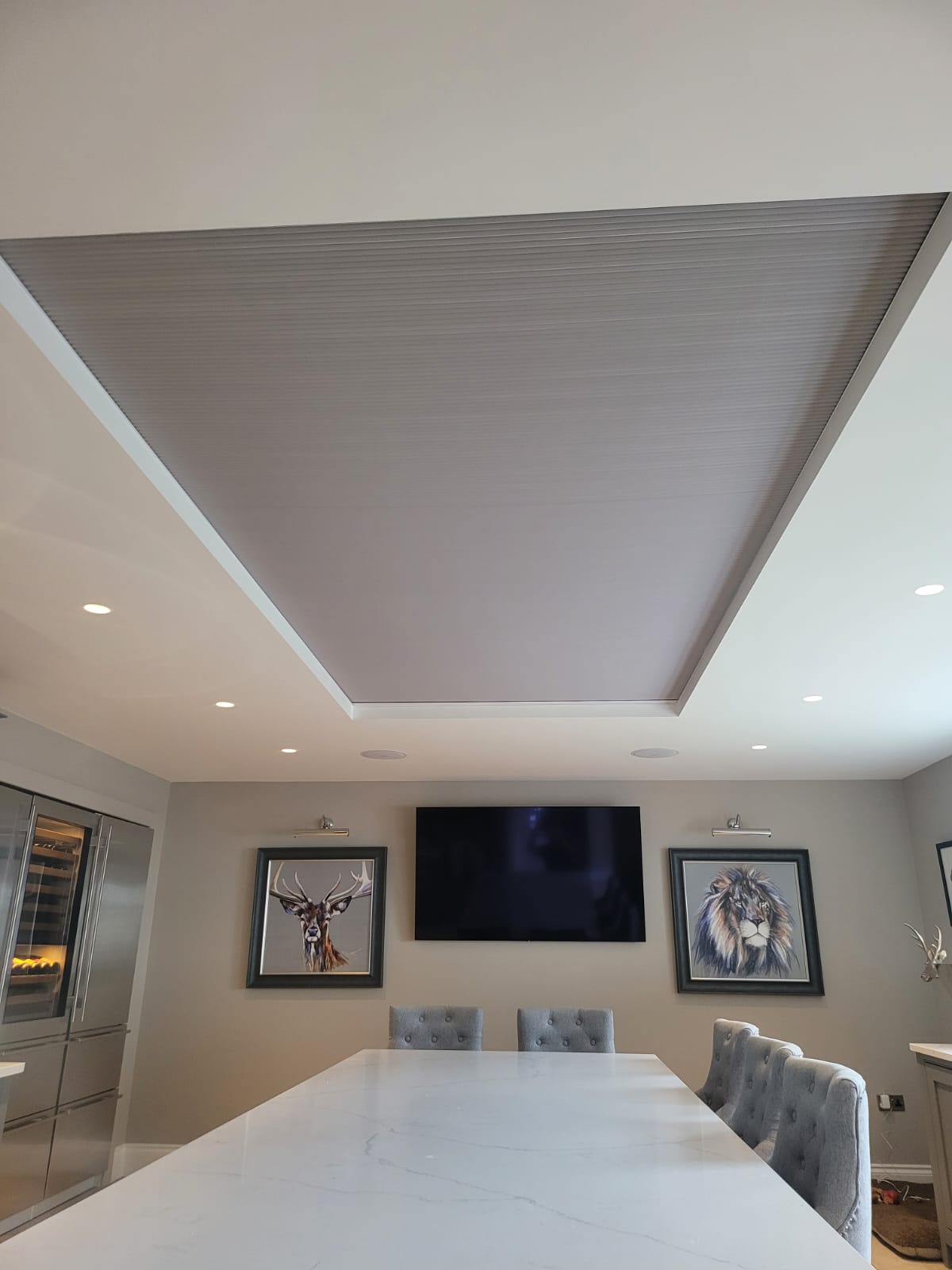
10. Do roof lantern blinds help with overheating?
Yes.
Roof lanterns can introduce large amounts of direct sunlight from above, particularly during summer.
Specialist roof lantern blinds can help reduce solar gain, glare, and excessive brightness.
11. Can blinds help improve sleep in summer?
Many homeowners find they can.
Bedrooms that overheat during warmer nights can become uncomfortable very quickly.
Blackout and thermal shading solutions may help:
- reduce heat build-up
- limit early morning light
- improve sleeping comfort
To find out more about blackout blinds and better sleep click here
12. Is There a Right and Wrong Way to Use Blinds in Summer?
Yes and surprisingly, how you use your blinds can make a noticeable difference to how comfortable your home feels during warmer weather.
Many people only close blinds once the room already feels hot.
But by that point, much of the heat has already entered through the glass and built up inside the room.
In most cases, blinds work best when they are closed before direct sunlight fully reaches the room particularly in:
- south-facing rooms
- bifold door spaces
- garden rooms
- roof lantern areas
- bedrooms that receive strong morning or afternoon sun
The aim is to reduce solar gain before heat builds up indoors.
This is also why timing matters.
For example:
- East-facing rooms may benefit from blinds being closed earlier in the morning
- South-facing spaces often benefit during the middle of the day
- West-facing rooms can become hottest later in the afternoon and evening
13. Is overheating only a summer problem?
No.
Even outside of heatwaves, solar gain can affect room comfort during spring and autumn particularly in highly glazed rooms.
Many homeowners notice certain spaces becoming too warm even on relatively mild sunny days.
14. Does the Colour of My Blinds Make a Difference?
Yes colour can affect both heat control and light performance.
Generally speaking:
Lighter colours
- reflect more sunlight
- help spaces feel brighter
- can reduce glare softly
- are often popular in warmer rooms
Darker colours
- absorb more heat
- reduce glare very effectively
- can improve screen visibility
- often create a stronger blackout effect
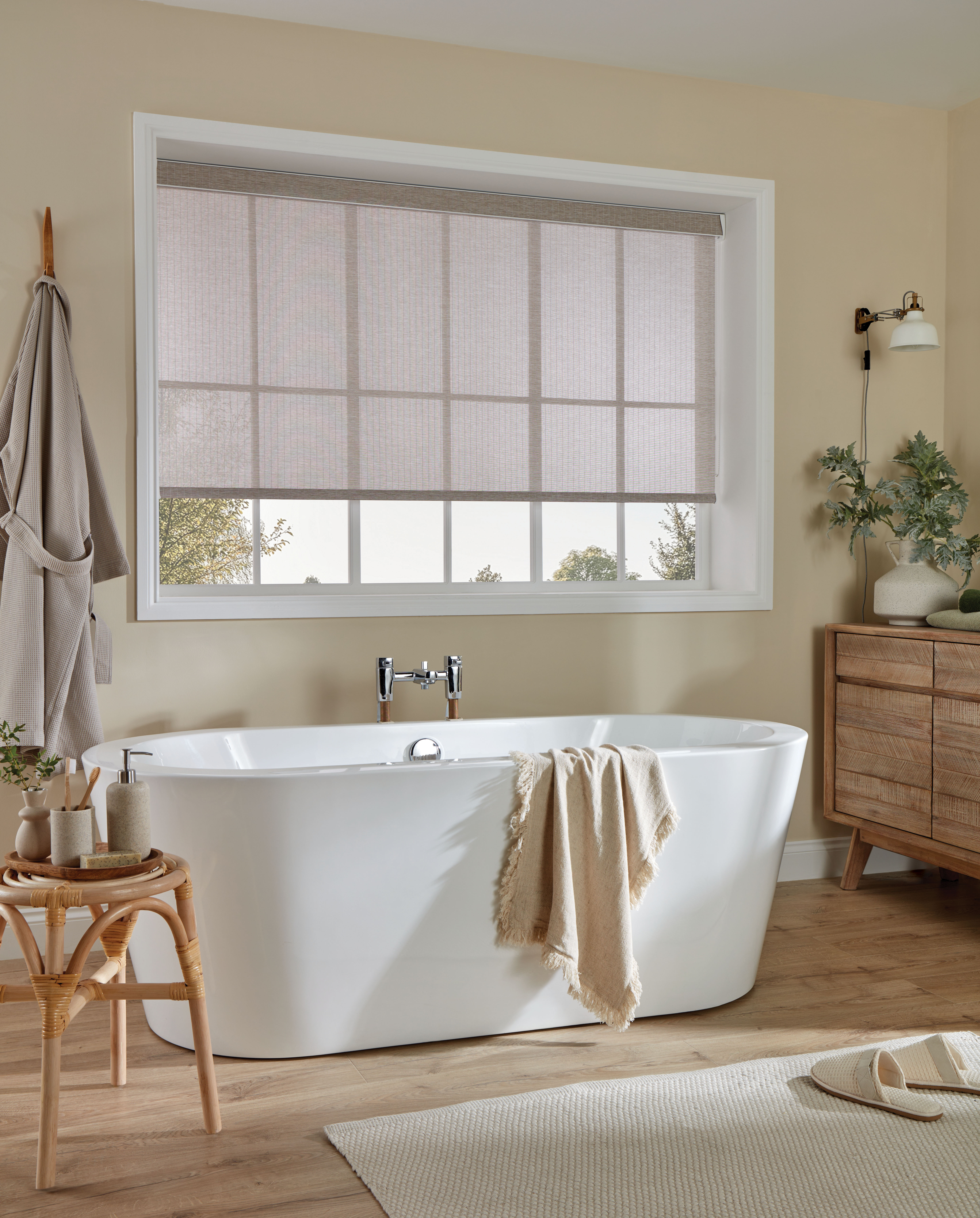
The backing of the fabric will have a big impact. Many modern roller blind, vertical blind and cellular fabrics have colour front (showing into your room) and white backed (ideal for reflecting heat).
So you could have anthracite grey showing in your room to go with your colour scheme and still benefit from the white backing helping reduce the heat build up.
However, colour alone is not the most important factor.
The fabric type, backing, openness factor, and reflective properties of the blind usually have a much bigger impact on thermal performance than colour by itself.
For example, some specialist performance fabrics are specifically designed to:
- reflect solar energy
- reduce glare
- maintain outward visibility
- improve thermal comfort
So while colour does matter, choosing the right product specification matters even more.
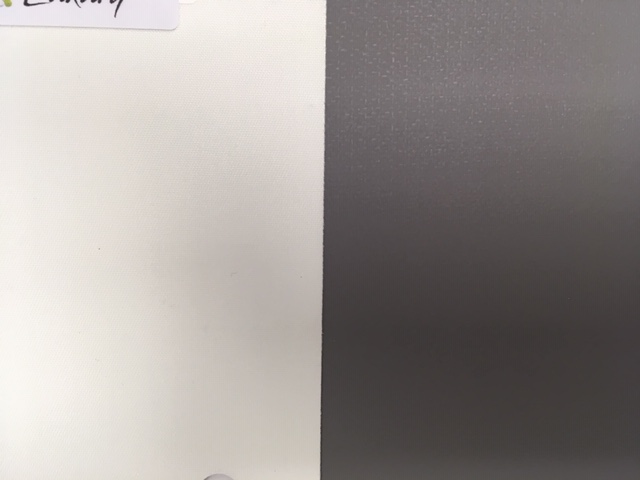
The fabric shown above is grey on the front and white on the back.
15. Are blinds now becoming part of modern home design rather than just decoration?
Increasingly, yes.
For years, blinds were often treated as a finishing touch added after the room was completed.
Today, more homeowners, architects, and designers are recognising shading as an important part of:
- thermal comfort
- glare control
- privacy
- wellbeing
- energy performance
- how a room actually functions day to day
And as overheating becomes a bigger conversation in UK homes, that shift is only likely to continue.
Final Thoughts
The future of blinds is no longer just about style.
It is about creating homes that feel comfortable, usable, and enjoyable to live in throughout the year.
As research into overheating continues to grow, shading is becoming an increasingly important part of modern home design particularly in south-facing spaces with large areas of glass.
At Barlow Blinds, we continue to follow the latest industry research and guidance closely to help homeowners make informed decisions based on comfort, performance, and real-world living.
About Phil Coleman
Phil Coleman is the fifth generation of his family to run Barlow Blinds, a Leicester business that has been making blinds since 1887. With over 30 years of hands-on experience, Phil has played a leading role in shaping industry standards including being part of the team that wrote the only NVQ qualification for blind and shutter installers. He also serves on the Management Committee of the British Blind & Shutter Association (BBSA), helping to set best practice across the trade. Under his leadership, Barlow Blinds has remained true to its founding principle: “It’s not our job to find customers for our blinds, it’s our job to find the right blinds for our customers.”