The Blind Was Too Late. The Sofa Had Already Faded.
I really hate it when we get called in to solve a problem too late.
This morning was one of those occasions.
I visited a customer in Oadby with a lovely games room and a large south-facing window.
It was exactly the kind of room most of us would want. Bright, loads of natural light, a great view into the garden and plenty of sunshine coming through the glass.
Unfortunately, that sunshine had already done some serious damage.
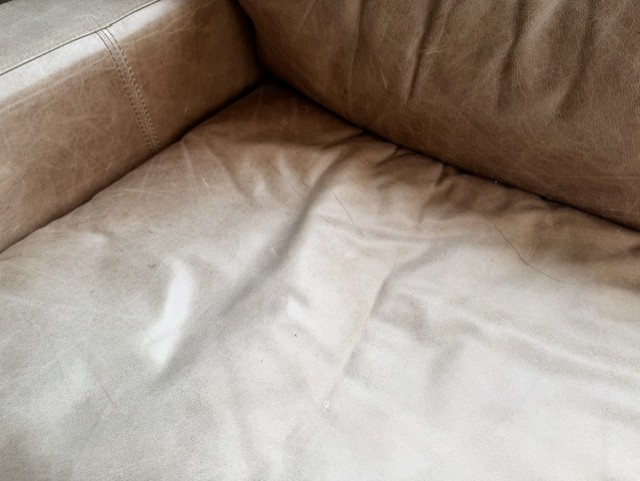
Their dark brown sofa had faded really badly.
So badly, in fact, that they're now replacing it.
And that was why they'd called us.
They weren't looking for a blind because they suddenly fancied changing the window.
They wanted to make sure the same thing didn't happen to the new sofa.
She Already Knew Which Blind She Wanted
Before I arrived, the customer had pretty much decided what she wanted.
A white wooden Venetian blind.
And aesthetically?
I could completely see why.
It would have looked lovely in the room.
But here's the thing.
My job isn't really to help somebody choose a blind.
It's to work out what they're trying to achieve at the window and then find the best way of doing it.
And the more we talked, the less convinced I was that a wooden Venetian was the right answer.
For starters, this was a window nearly two metres wide. That's quite a lot of wooden blind to raise and lower.
But more importantly, she didn't actually have a privacy problem.
That's one of the big advantages of wooden Venetians. You can tilt the slats, control the light and stop people looking in while still getting some daylight.
Brilliant when privacy matters.
Here, it didn't.
What she actually wanted was to stop the new sofa fading, reduce the glare and deal with some of the heat coming through the glass.
And she wanted to do all of that without ruining what was so nice about the room in the first place.
The light.
The view.
The feeling of openness.
A big wooden Venetian would have helped with the sunlight, but we'd also be permanently putting something across a window that didn't really need to be there.
So I suggested something much simpler.
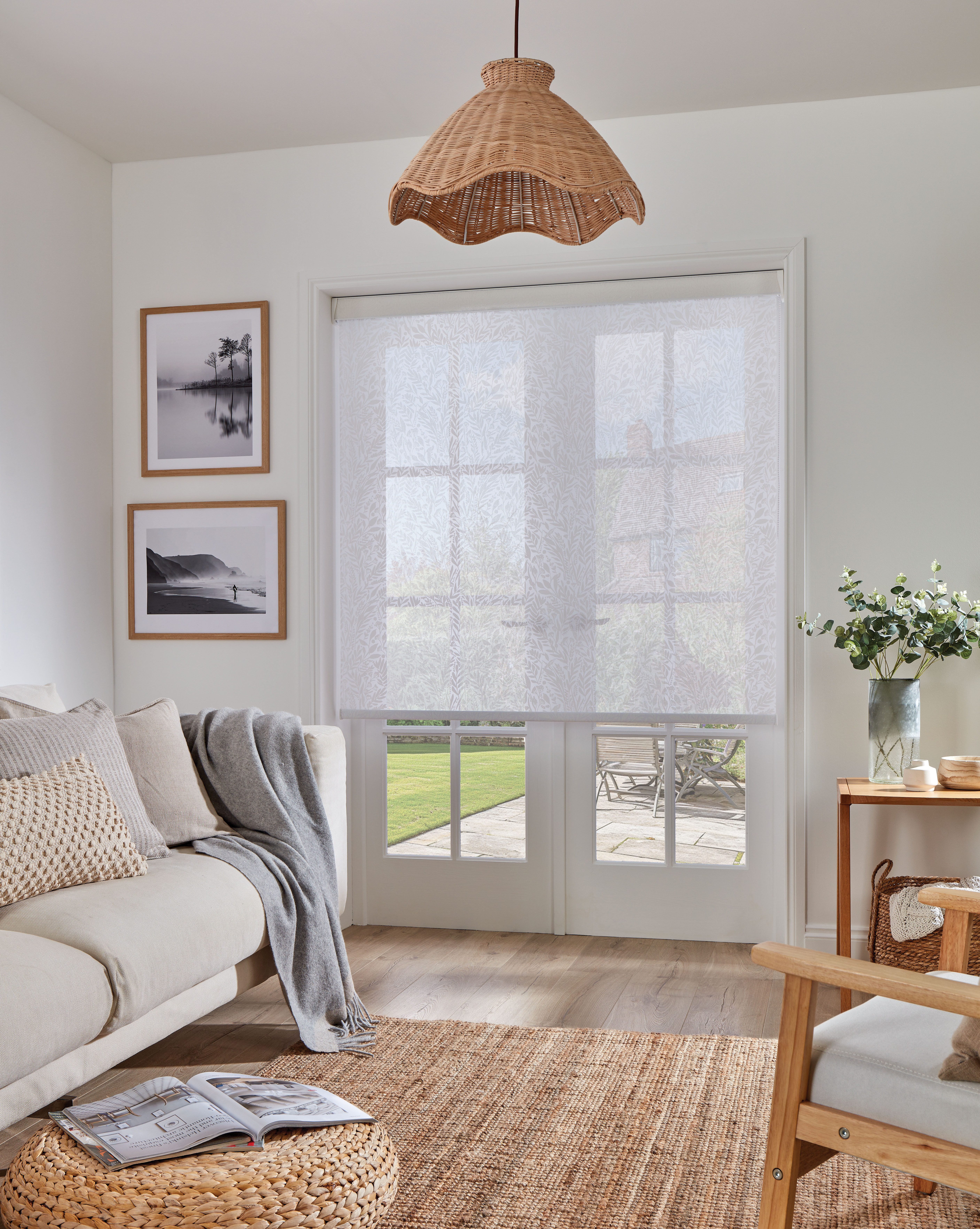
Why Not Just Use a Roller Blind?
A roller blind made a lot of sense.
When the sun wasn't a problem, roll it right up.
It's out of the way.
You've got your daylight back and you can enjoy the view into the garden.
Then, when the sun moves around and starts hitting the furniture, lower the blind.
Simple.
It was also the most cost-effective option we discussed.
If all she'd said to me was:
"I don't want my next sofa fading."
I'd have been perfectly happy recommending the roller blind and saving her the money.
It would have done the job.
But then she raised a concern.
She wasn't keen on having such a large blind hanging freely at the window, especially when the windows or doors were open.
She didn't want it "flapping around."
Fair point.
And then she asked another question.
Could the blind also help keep the room warmer in winter?
Now the conversation had changed.
We weren't just trying to stop a sofa fading anymore.
What Did We Actually Need This Blind to Do?
By this point, we'd uncovered five things that mattered:
- Protect the new furniture from strong sunlight and UV
- Reduce the heat coming into the room during summer
- Cut down glare
- Help retain heat during winter
- Stay securely held at the window rather than hanging freely
And there was another requirement running through the whole conversation:
Don't take away the lovely bright, open feeling of the room.
Once we'd got to that list, I suggested something she hadn't considered.
Perfect Fit cellular blinds.
Her reaction?
"I didn't even know such a product existed."
And that's not unusual.
Most people don't.
You tend to start shopping for blinds based on the products you already know roller blinds, Venetians, verticals and so on.
But sometimes the right answer is something you didn't know to ask for.
Why Perfect Fit Cellular Blinds Made Sense
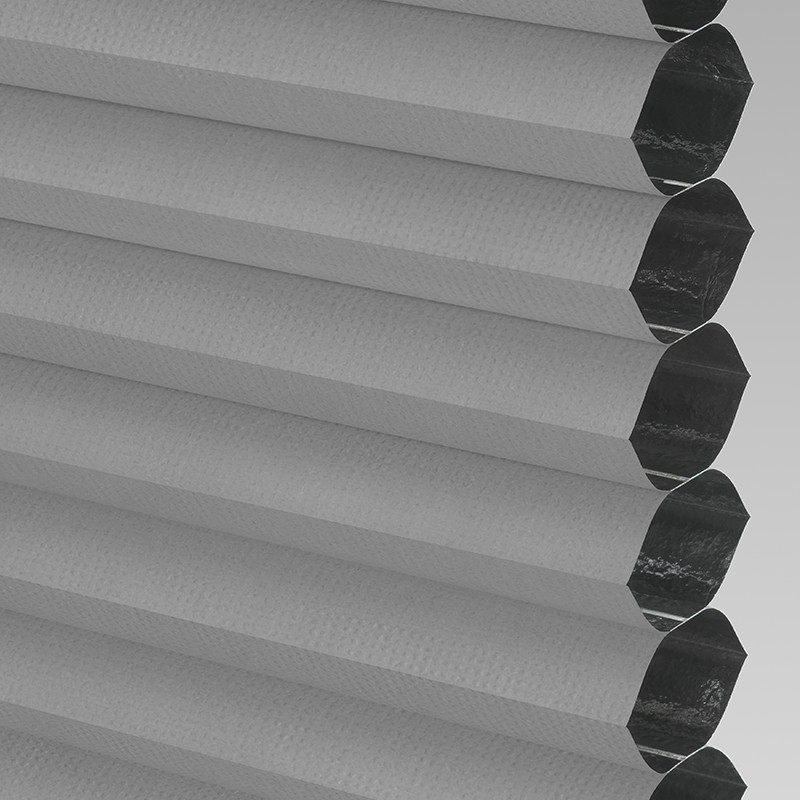
The clever bit with a cellular blind is inside the fabric.
It has a honeycomb-style construction that traps air.
So it works both ways.
During summer, we're trying to reduce the solar heat and harsh sunlight coming through the glass.
During winter, we're trying to keep more of the warmth in the room rather than losing it through the window.
For this customer, that was a much better match for what she'd actually asked us to achieve.
But there was another big advantage.
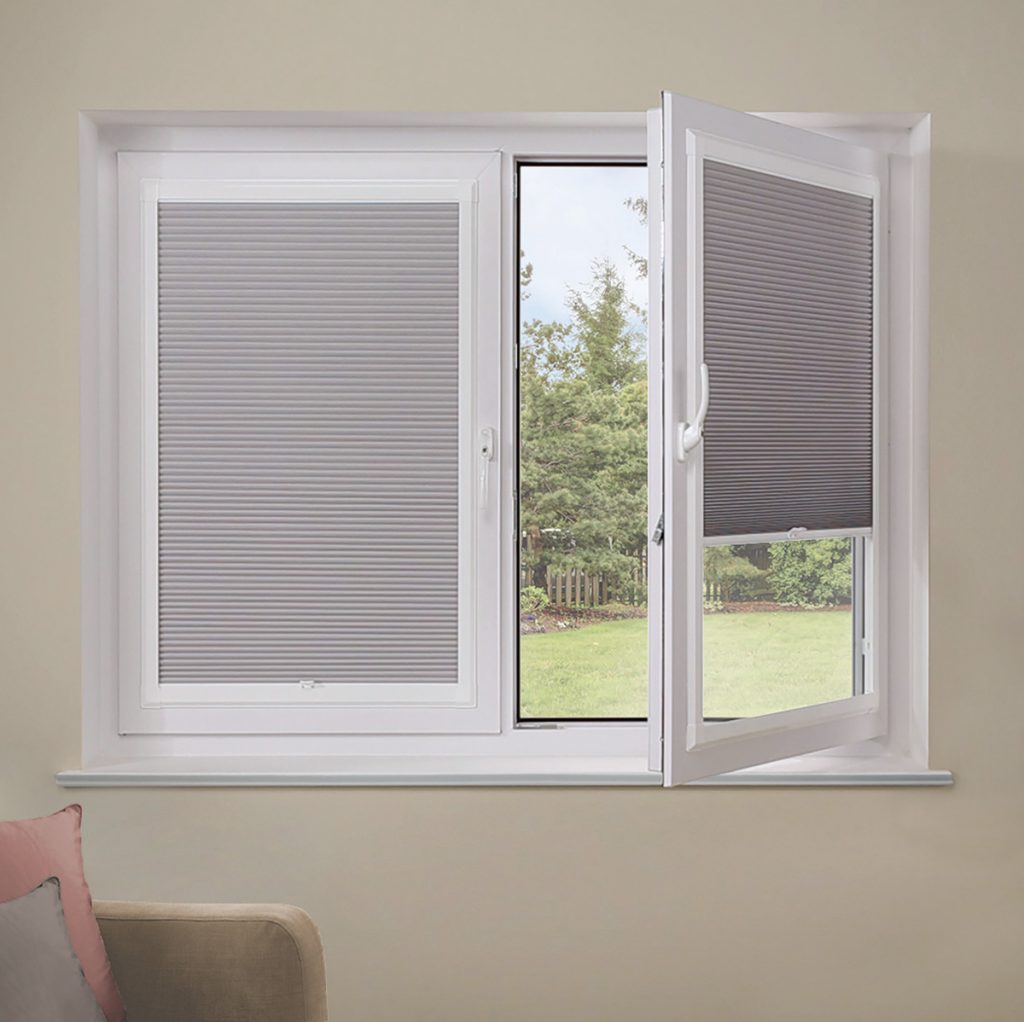
Because they're Perfect Fit blinds, they're fitted neatly to the window itself in their own frame.
There's no big roller blind hanging down in front of the window.
Nothing flapping around when the window is open.
And visually, they're much more integrated.
When I explained how they would sit, she immediately got it:
"The blinds will actually look like part of the window and I can still keep my plants on the window sill."
Exactly.
That's the sort of detail that matters.
Because it's easy for me to talk about insulation values, UV protection and heat control.
But she's the one who lives in the room.
She wants her plants on the windowsill.
She wants the light.
She wants to look into her garden.
She doesn't want the window dominated by a huge blind.
The solution has to work for her room, not just work on paper.
And suddenly we'd found something that ticked every box.
There was only one slight problem.
They Were Roughly Twice the Price
This is the point where these conversations get interesting.
The Perfect Fit cellular blinds were approximately twice the price of the roller blind solution.
So does that make them twice as good?
No.
And I think that's an important distinction.
If she'd simply wanted to stop sunlight damaging the new sofa and reduce some glare, I'd have recommended the roller.
Seriously.
Keep the extra money in your pocket.
You don't need to spend twice as much to solve a problem that the cheaper product can already solve.
But that wasn't the problem anymore.
She wanted UV protection.
She wanted better summer heat control.
She wanted help retaining heat in winter.
She didn't want a large blind hanging freely.
She wanted to keep the room feeling bright and open.
And she wanted to keep her plants on the windowsill.
So she wasn't paying twice as much for essentially the same thing.
She was paying more because the second solution did more of the things that actually mattered to her.
That's a very different conversation.
Start With the Problem, Not the Blind
This morning was a perfect example of why one of the first things I want to understand when I visit somebody's home is:
What are you actually trying to achieve?
Because look where this conversation started.
The customer thought she wanted a white wooden Venetian.
Then we discussed a roller blind, which was cheaper and could have solved the original problem.
Then we uncovered concerns about the blind moving around.
Then winter heat retention came into the conversation.
Then keeping the room open and bright mattered.
Then the plants on the windowsill mattered.
And we ended up somewhere completely different:
Perfect Fit cellular blinds.
Not because they were the most expensive option.
Not because that's what I wanted to sell.
And certainly not because they're automatically the "best" blind.
There isn't a best blind.
There's only the blind that makes the most sense for what you're trying to achieve.
Unfortunately, there's one problem none of these blinds can solve.
That dark brown sofa is still badly faded.
It's being replaced.
I just wish we'd had this conversation before the damage had already been done.
About Phil Coleman
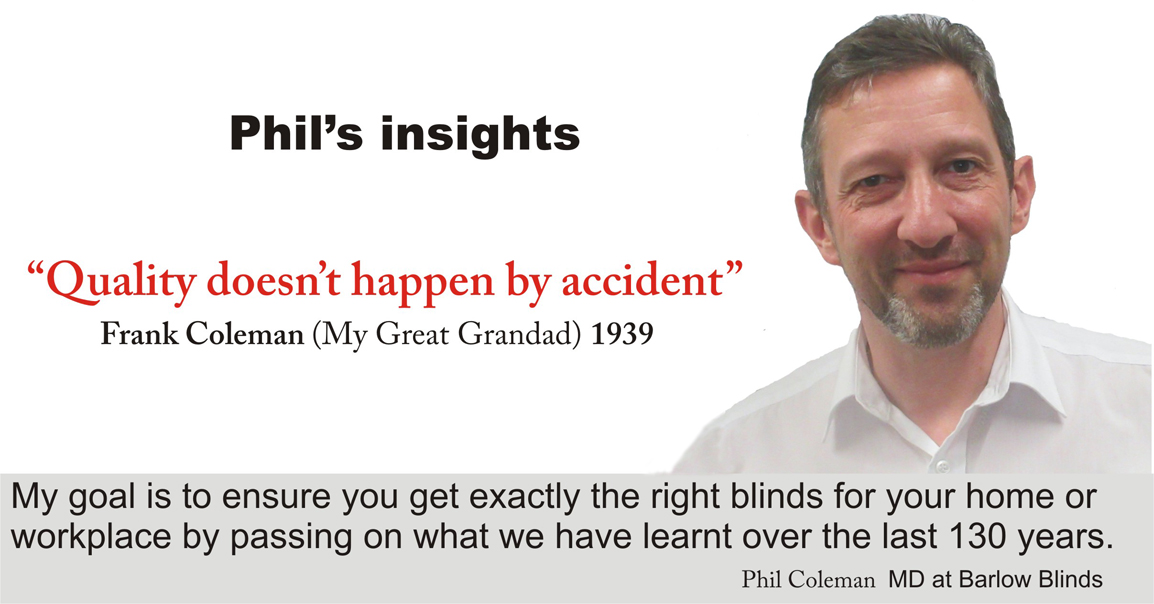
Phil Coleman is the fifth generation of his family to run Barlow Blinds, a Leicester business that has been making blinds since 1887. With over 30 years of hands-on experience, Phil has played a leading role in shaping industry standards including being part of the team that wrote the only NVQ qualification for blind and shutter installers. He also serves on the Management Committee of the British Blind & Shutter Association (BBSA), helping to set best practice across the trade. Under his leadership, Barlow Blinds has remained true to its founding principle: “It’s not our job to find customers for our blinds, it’s our job to find the right blinds for our customers.”
Article Review & Accuracy
Reviewed by: Phil Coleman, Managing Director, Barlow Blinds
Last reviewed: August 2026
Our promise
If new evidence, products or British Standards change our advice, we'll update this article. If we make a mistake, we'll correct it.
This article forms part of the Barlow Blinds Knowledge Centre and is written or personally reviewed by Phil Coleman, drawing on more than 35 years' experience, guidance from the British Blind & Shutter Association (BBSA), British Standards where applicable, manufacturer technical information and real customer feedback.
Major updates to this article are shown at the top or bottom of the page.