How Reliable Are Motorised Roller Blinds?
It's one of the questions we're asked most often.
People love the convenience of motorised roller blinds, but understandably wonder what happens if the motor stops working.
The good news is that modern motorised roller blinds are extremely reliable.
In our experience, most problems aren't caused by poor-quality motors. They're usually the result of one of three things:
- The motor wasn't powerful enough for the blind.
- The rechargeable battery hasn't been looked after.
- The blind wasn't manufactured or installed correctly.
Get those three things right and your blinds should provide years of smooth, reliable operation.
1. The Motor You Never See Is The Most Important Part
When choosing motorised blinds, most people spend their time selecting fabrics, colours and finishes.
Ironically, the most important part of the blind is the one you'll never actually see.
Inside every motorised roller blind is a tubular motor.
These motors aren't one-size-fits-all.
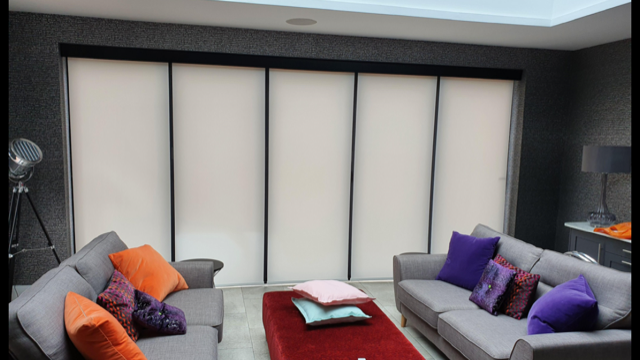
At Barlow Blinds, we use five different motor sizes because every blind places different demands on the motor inside it.
The correct motor depends on two things:
- The width and drop of the blind.
- The weight of the chosen fabric.
For example, a large blind with a blackout fabric is considerably heavier than the same size blind with a light filtering fabric. Although they may look similar from the outside, the motor lifting them needs to be very different.
If a motor is undersized, it may work perfectly when it's first installed.
The problems usually appear much later.
Because the motor has been working harder than it was designed to every single day, wear gradually increases. Eventually the blind may begin moving more slowly, struggle to reach the top or stop working altogether.
We've Seen This First-Hand
One conversation we're having more and more often starts with:
"Our blinds worked perfectly for a couple of years, then one just stopped lifting properly."
Most homeowners assume the motor has failed.
Surprisingly, that's rarely the real problem.
In many cases, we find the motor has been working beyond its intended capacity since the day it was installed because it wasn't correctly matched to the size and weight of the blind.
By the time the symptoms appear, the extra wear has already taken its toll.
Choosing the right motor from the beginning is usually far cheaper than replacing one later.
Why Trust Matters
This is one part of the blind that customers simply can't inspect for themselves.
Once the blind has been made, the motor is hidden inside the tube.
That's why choosing a company you trust is so important.
Some retailers simply order blinds from a wholesaler and may never know which motor has actually been fitted.
Others may choose a smaller motor simply because it's cheaper and that means extra profit but reduced long term reliability.
The difference in our cost price between our smallest and largest roller blind motors is £55.
Across five blinds on a set of bifold doors, that's £275 extra profit if the company fits the lowest powered motors.
Our approach is simple.
We specify the motor based on the size and weight of each blind not on reducing manufacturing costs.
2. Recharge Your Blinds Before The Battery Runs Flat
If you choose rechargeable motors, looking after the battery will have a significant impact on its lifespan.
Ideally, rechargeable motors should be topped up when the battery reaches around 20–30%, rather than waiting until it's completely flat.
The problem is that most motor systems never tell you how much battery is actually left.
Instead, homeowners usually discover it's running low when the blind starts moving slowly or doesn't move at all.
Why We Recommend Louvolite Motors
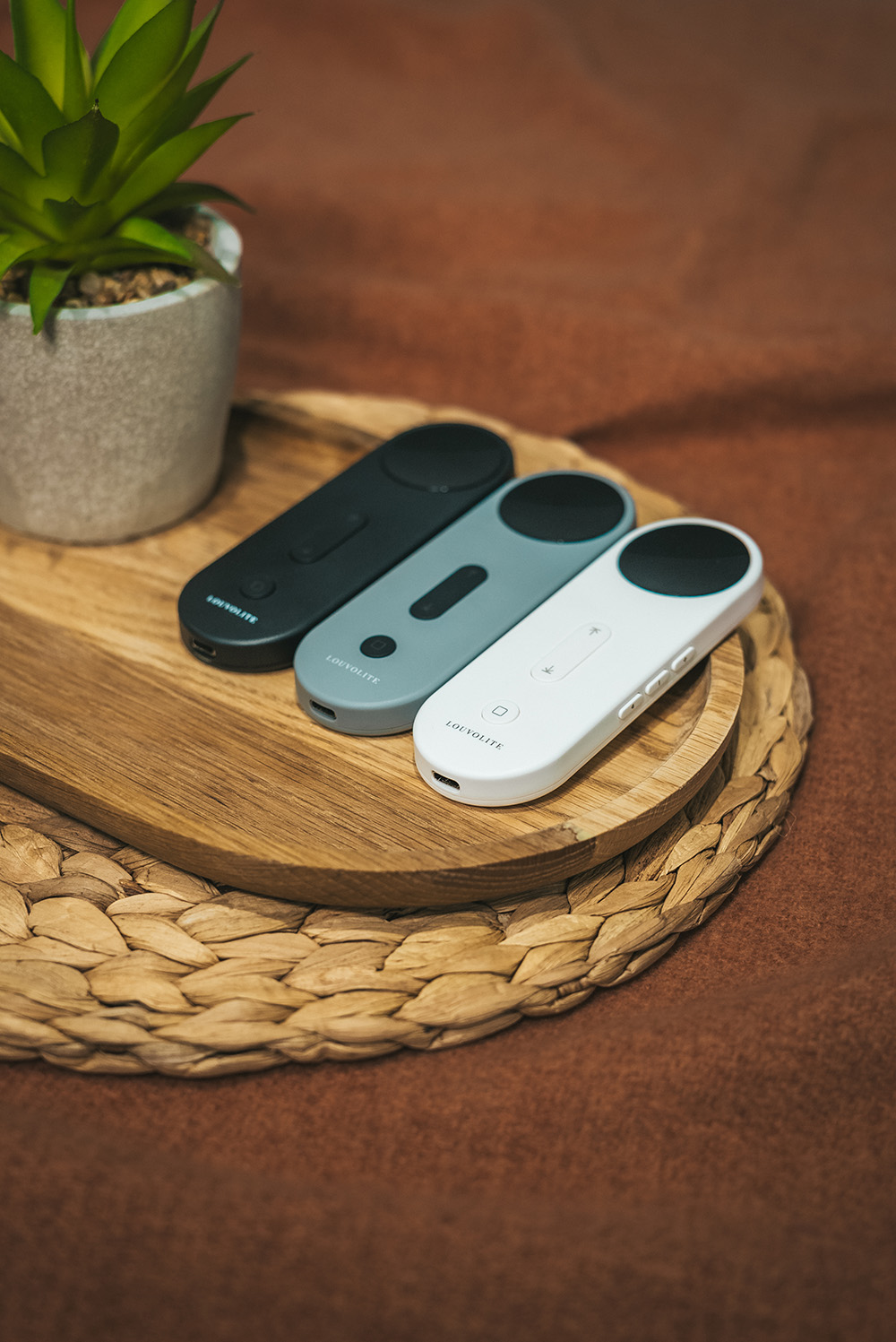
This is one of the reasons we recommend the Louvolite motor system.
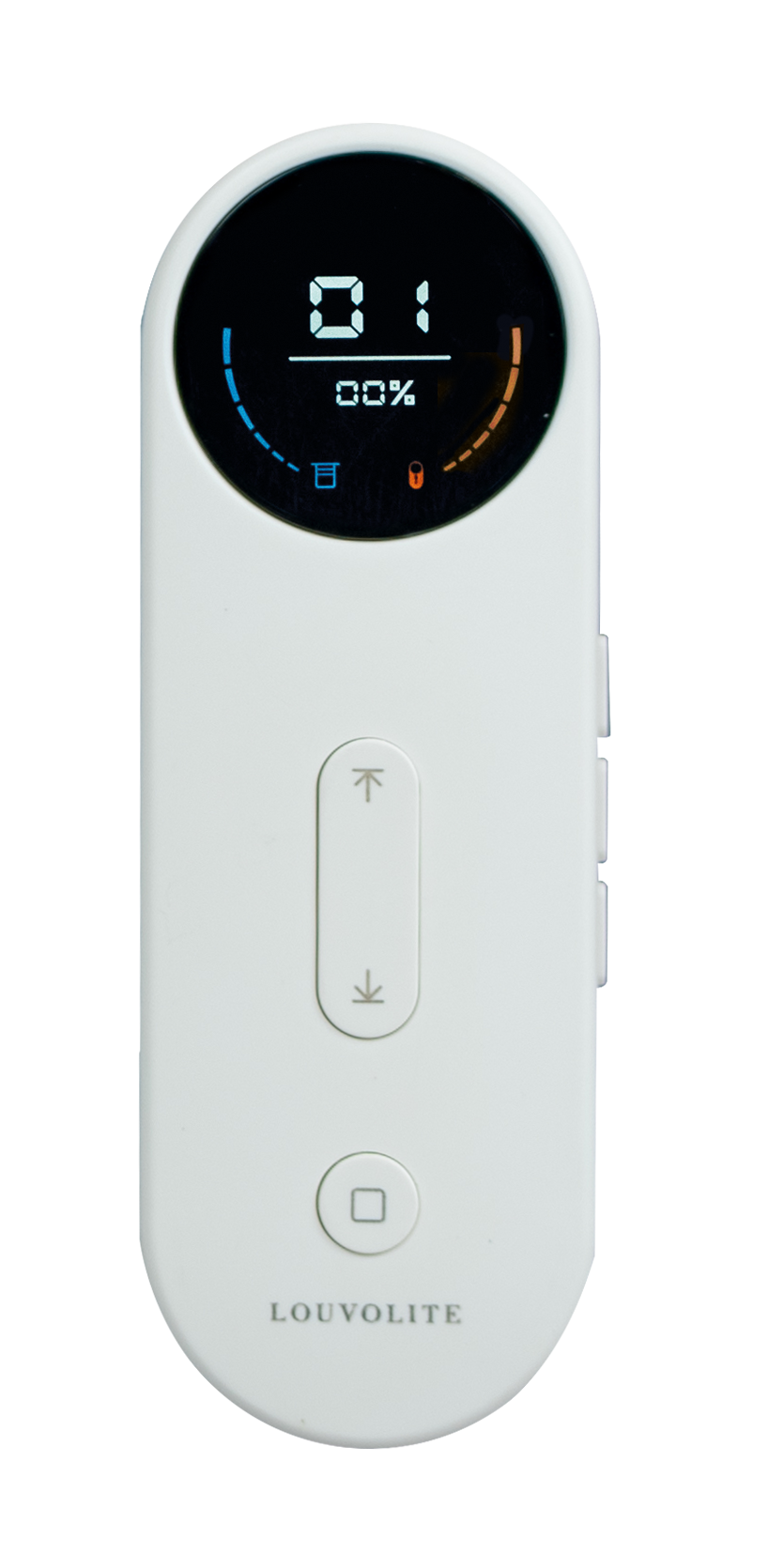
Unlike many motor systems, Louvolite uses two-way communication.
With most systems:
- You press the remote.
- The blind moves.
That's all.
Louvolite works differently.
The motor sends information back to the remote, allowing you to see the battery level for every individual blind.
Instead of guessing when it's time to recharge, you know.
It's a relatively small feature, but over many years it can help maximise battery life.
What If You Don't Want To Charge Your Blinds?
Rechargeable motors are an excellent solution for most homes because they avoid the need for electrical wiring.
However, if you're renovating, building an extension or installing blinds during a new build, a hardwired motor may also be worth considering.
For some homeowners, eliminating battery charging altogether is the right choice.
3. Installation Matters Just As Much
Even the best motor can't compensate for poor installation.
The brackets need to be perfectly aligned.
The blind must be correctly balanced.
The motor limits need to be accurately programmed.
If those details are overlooked, the motor has to work much harder than it should.
That's one of the reasons we manufacture and install our own roller blinds throughout Leicestershire rather than simply reselling products made elsewhere.
Every stage matters.
Our Experience
Over the last few years we've inspected an increasing number of motorised roller blinds that have developed faults after only a few years.
Many homeowners assume the motor itself has failed.
Quite often, that's not what we discover.
Instead, we find a perfectly good motor that's spent years lifting more weight than it was ever designed to handle.
It's a reminder that reliability doesn't begin with the motor itself.
It begins with specifying the correct motor before the blind is ever made and that means having trust in the company installing your blinds.
Frequently Asked Questions
How long do motorised roller blinds last?
A quality motor that's correctly specified, professionally installed and properly maintained should provide many years of reliable daily operation.
Do motorised roller blinds with blackout fabric need larger motors?
Often, yes.
Blackout fabrics are generally heavier than standard fabrics, particularly on larger windows, so they frequently require a more powerful motor.
How often should I recharge rechargeable blinds?
Ideally when the battery reaches around 20–30%, rather than waiting until it's becomes completely flat.
Can I see how much battery is left?
Most systems don't display battery levels.
Louvolite's two-way remote shows the remaining battery percentage for each blind, making it much easier to recharge at the right time.
Are motorised roller blinds reliable?
Yes.
Most reliability issues are caused by incorrect motor selection, poor installation or poor battery management rather than the quality of the motor itself.
This doesn’t mean we never get a motor fail because that does occasionally happen. If the company you have used for your blinds makes them themselves then it’s a simple job to slide the old motor out and fit a new one.
It can be done in your home and takes less than 10 minutes.
Conclusion
Motorised roller blinds have become incredibly reliable over the last decade.
Like any piece of engineering, though, they're only as reliable as the decisions made before they're installed.
The right motor.
The right installation.
The right battery care.
Get those three things right and your blinds should simply do what they're designed to do—press the button and enjoy them, day after day, for many years without giving the motor a second thought.
About Phil Coleman
Phil Coleman is the fifth generation of his family to run Barlow Blinds, a Leicester business that has been making blinds since 1887. With over 30 years of hands-on experience, Phil has played a leading role in shaping industry standards including being part of the team that wrote the only NVQ qualification for blind and shutter installers. He also serves on the Management Committee of the British Blind & Shutter Association (BBSA), helping to set best practice across the trade. Under his leadership, Barlow Blinds has remained true to its founding principle: “It’s not our job to find customers for our blinds, it’s our job to find the right blinds for our customers.”
Article Review & Accuracy
Reviewed by: Phil Coleman, Managing Director, Barlow Blinds
Last reviewed: July 2026
Our promise
If new evidence, products or British Standards change our advice, we'll update this article. If we make a mistake, we'll correct it.
This article forms part of the Barlow Blinds Knowledge Centre and is written or personally reviewed by Phil Coleman, drawing on more than 35 years' experience, guidance from the British Blind & Shutter Association (BBSA), British Standards where applicable, manufacturer technical information and real customer feedback.
Major updates to this article are shown at the top or bottom of the page.