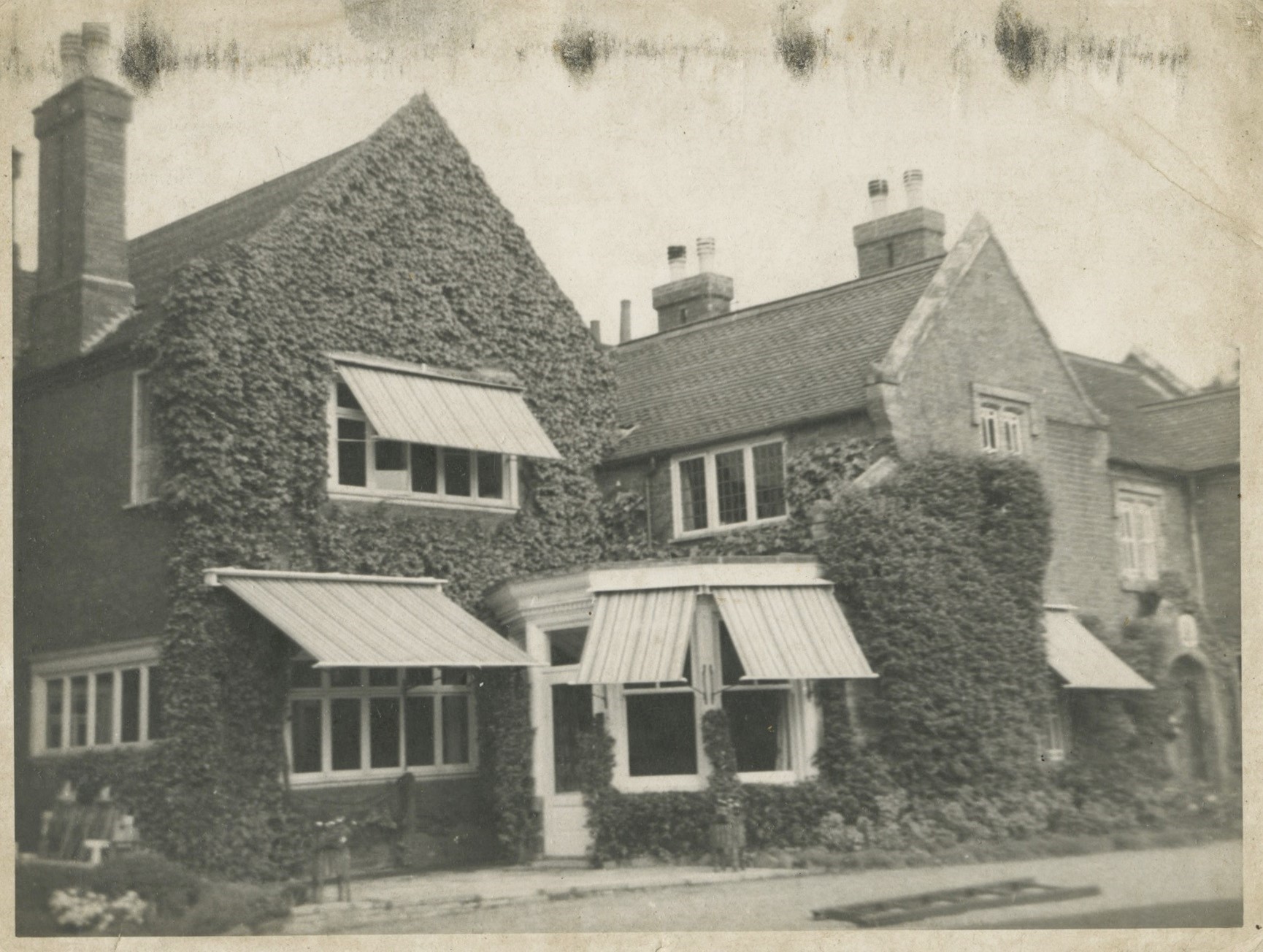
What Victorian Homes Can Teach Us About Staying Cool During Summer
As summer temperatures rise across the UK, many homeowners are noticing something unexpected.
Some Victorian houses seem to stay surprisingly comfortable during hot weather, while much newer homes can quickly become uncomfortably warm.
At first glance, that feels backwards. After all, modern homes are designed to be more energy efficient, better insulated and more comfortable than properties built over a century ago.
So why does a Victorian home sometimes feel cooler during a heatwave?
The answer lies in how Victorian homes were designed to manage heat long before air conditioning existed.
While modern construction has made huge strides in energy efficiency, there are valuable lessons we can learn from traditional building design.
Why Victorian Homes Often Feel Cooler
Victorian architects and builders understood something that remains true today:
The easiest heat to remove is the heat that never enters the building in the first place.
Many Victorian homes incorporated design features that naturally reduced overheating and improved comfort during warmer weather.
According to researchers writing for The Conversation, several common Victorian design elements helped keep homes cooler during summer months, even without modern technology.
1. External Shutters Blocked Heat Before It Entered
One of the most effective cooling strategies was also one of the simplest.
External shutters prevented sunlight from reaching window glass, significantly reducing solar heat gain. Because the heat was stopped before entering the home, rooms remained cooler throughout the day.
Modern homeowners can achieve similar benefits with:
- External shutters
- External blinds
- Awnings
- Solar shading systems
Unlike curtains or internal blinds, external shading prevents much of the heat from entering the room in the first place.
2. High Ceilings Allowed Heat to Rise
Victorian homes often featured generously proportioned rooms with high ceilings.
As warm air naturally rises, occupants benefited from cooler air remaining at living level while excess heat accumulated higher up in the room.
Modern homes can replicate this effect through:
- Ceiling fans
- Roof ventilation
- Mechanical ventilation systems
- Carefully designed airflow strategies
3. Large Windows Encouraged Natural Ventilation
Victorian properties were often designed with windows on multiple elevations, allowing air to move freely through the building.
Opening windows on opposite sides of a home creates cross-ventilation, helping remove accumulated heat and improve comfort naturally.
This remains one of the most effective low-cost cooling techniques available today.
4. Thick Walls Slowed Heat Transfer
Solid masonry walls provided substantial thermal mass.
Rather than allowing heat to pass quickly into the building, thick walls absorbed and released heat slowly throughout the day.
This helped moderate indoor temperatures and reduced rapid temperature swings.
Modern construction can achieve similar benefits through thoughtful use of thermal mass combined with good insulation and ventilation strategies.
5. Trees and Landscaping Provided Natural Shade
Victorian homes were often surrounded by mature gardens, trees and planting.
These features created natural shading, reduced solar exposure and helped cool the surrounding environment.
Today, strategic landscaping remains one of the most effective long-term ways to reduce overheating around a property.
The Important Lesson Many Modern Homes Miss
Modern homes are exceptionally good at retaining heat during winter.
The challenge is that they can sometimes be equally effective at retaining unwanted heat during summer.
This is becoming an increasingly important issue.
Research from the British Blind and Shutter Association (BBSA) and Loughborough University highlights growing concerns around overheating in UK homes, particularly in properties with large areas of glazing, limited shading and insufficient ventilation. If you read the article below you may even spot a photo from our archives. A home in Newton Linford with south facing windows.
To read the research article click here
We've all experienced it.
A sunny afternoon heats the home throughout the day. By evening, the living room remains warm, the upstairs bedrooms feel stuffy and sleep becomes difficult. Even when outside temperatures fall, the heat stored inside the building can linger well into the night.
In many cases, overheating isn't caused by poor insulation.
It's caused by inadequate control of solar gain.
What Homeowners Can Do Today
The good news is that many Victorian cooling principles remain highly effective.
If you're looking to improve summer comfort, consider the following:
Close Shading Before Rooms Heat Up
Keep blinds, curtains or shutters closed on sun-facing windows during the hottest parts of the day.
Prevention is far more effective than trying to cool an already overheated room.
Encourage Cross-Ventilation
Open windows on opposite sides of the property during cooler periods to create natural airflow through the home.
Use Night-Time Ventilation
When outdoor temperatures drop, allow cooler air to flush accumulated heat from the building.
Prioritise External Shading
Where possible, add shading to south and west-facing glazing.
External shading is often significantly more effective than internal blinds alone.
Invest in Long-Term Landscaping
Trees, shrubs and planting can provide natural shading while improving the surrounding microclimate around your home.
The Best Homes Combine Old Ideas with Modern Performance
Victorian homes were not perfect. They could be draughty, inefficient and expensive to heat during winter.
Modern homes, by contrast, are generally far more energy efficient and comfortable year-round.
The real lesson isn't that Victorian homes were better.
It's that Victorian designers understood how to work with the climate.
As UK summers become warmer and overheating becomes a growing concern, combining modern energy efficiency with proven Victorian cooling principles may offer the best of both worlds.
Sometimes the smartest solutions aren't new innovations at all.
They're ideas that have been quietly working for more than a century.

About Phil Coleman
Phil Coleman is the fifth generation of his family to run Barlow Blinds, a Leicester business that has been making blinds since 1887. With over 30 years of hands-on experience, Phil has played a leading role in shaping industry standards including being part of the team that wrote the only NVQ qualification for blind and shutter installers. He also serves on the Management Committee of the British Blind & Shutter Association (BBSA), helping to set best practice across the trade. Under his leadership, Barlow Blinds has remained true to its founding principle: “It’s not our job to find customers for our blinds, it’s our job to find the right blinds for our customers.”
Why trust this article?
✓ Written or reviewed by Phil Coleman (35+ years' experience)
✓ Based on practical installation knowledge and independent research
✓ Updated when standards, products or evidence change