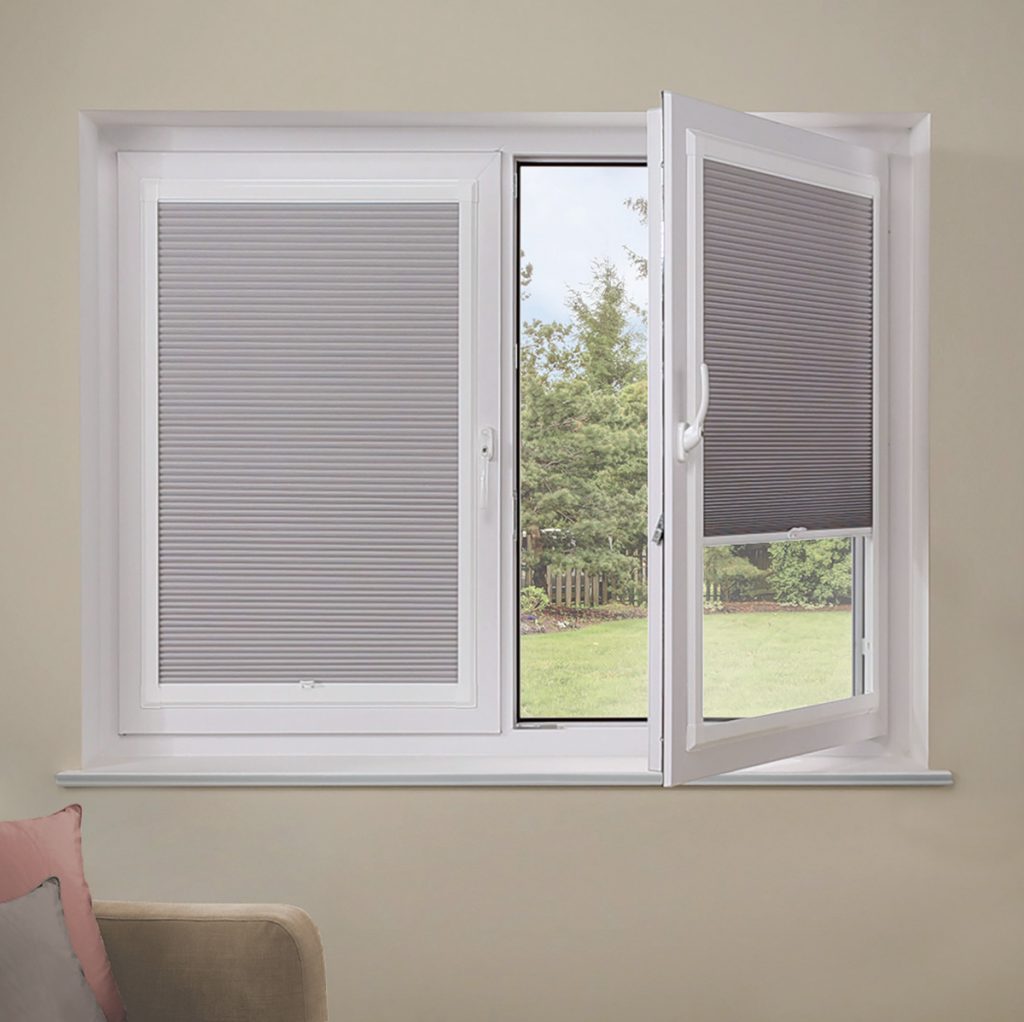
When a Blind Fitting Visit Turns Into an Energy Experiment
Most home visits start the same way.
A homeowner has a rough idea of the type of blind they want roller, venetian, shutters and we talk about what they need the blinds to do: control glare, improve privacy, block out light for better sleep.
But one recent Leicester visit went in a completely different direction.
“I want the most energy-efficient blinds on the market.”
Not “something modern.”
Not “something to match the room.”
Just pure performance the blind that would make the biggest difference to his home’s energy use.
After a few more questions, the penny dropped.
He runs a renewables company specialising in solar panels, heat pumps and battery systems.
And he wanted to use his own home as a live experiment.
His reasoning was spot on:
“It’s no good installing the most efficient heating or cooling systems if the heat just escapes through the windows… or if the air con runs all afternoon because the place is overheating.”
Windows are responsible for up to 30% of heating energy loss in UK homes and far more in summer overheating.
So, for him, our recommendation was simple:
Why We Recommended Cellular Blinds
We didn’t recommend cellular blinds because they sounded efficient.
We recommended them because they’ve been tested, measured, and proven in real UK homes, under real-world conditions.
This isn’t marketing fluff. The BBSA and University of Salford put these blinds through the wringer and the results were clear: less heat loss in winter, less overheating in summer, and less pressure on your heating and cooling systems year-round.
It’s the difference between claiming something works… and knowing it does.
BBSA & University of Salford Energy House Study: What the Science Shows
The British Blind & Shutter Association partnered with the University of Salford to test how different blinds and shutters affect a home’s energy performance in controlled conditions.
Their findings were clear:
1. Up to 32% reduction in heat loss
Cellular blinds reduced heat escaping through windows by up to 32% compared to no blinds at all.
2. Reduced overheating in summer
They improved indoor stability during warm-weather simulations, reducing reliance on air conditioning due to most fabrics having a white (reflective) backing.
3. Outperformed most other blinds and curtains
In terms of insulation and thermal performance, cellular blinds consistently ranked as one of the most effective shading products tested.
This isn’t guesswork it’s measurable, repeatable lab data.
Click here to find out more about Energy Saving Blinds and the BBSA test results
The Homeowner’s Energy Experiment and What Happened Next
We installed cellular blinds throughout his home.
The results were beyond what he expected:
- Rooms held heat for longer
- Summer overheating reduced
- His heating system didn’t work as hard
- His cooling system didn’t have to fight the afternoon sun
The improvement was so significant that he invited us to work alongside his renewables company on three additional properties, combining:
- Smart shading
- Solar panels
- Heat pumps
to create high-performance, energy-efficient homes.
A partnership neither of us saw coming but one that makes perfect sense.
Because there’s no point generating clean energy if it’s just going to leak straight out of the windows.
Why This Matters for Homeowners in Leicester
Energy efficiency isn’t just about your boiler or your insulation.
Your windows play a huge part and blinds are one of the simplest, quickest and most affordable ways to improve thermal performance.
With energy prices high and sustainability becoming more important, cellular blinds offer:
- Lower heat loss in winter
- Reduced overheating in summer
- Better comfort all year round
- Less strain on heating and cooling systems
- A proven return on investment
For many homes, they’re the best blend of performance, appearance and value.
FAQs
1. What are the most energy-efficient blinds?
Cellular (honeycomb) blinds are widely recognised as the most energy-efficient blinds due to their insulating air-pocket structure. Independent testing by the BBSA and University of Salford showed they can reduce heat loss by up to 32%.
2. Do blinds really make a difference to heat loss?
Yes. Multiple studies, including the BBSA/University of Salford Energy House project, show that blinds significantly reduce heat loss through windows. Cellular blinds offer the highest performance.
3. Are cellular blinds good for summer heat?
Absolutely. Cellular blinds help block solar gain, reducing overheating and lowering reliance on fans or air conditioning. They stabilise indoor temperatures better than most other blind types.
4. Do cellular blinds work with heat pumps or solar panels?
Yes, they complement renewable systems perfectly. If you generate efficient heat, it makes sense to keep as much of it inside your home as possible. Cellular blinds help retain warmth and reduce cooling load.
5. Are cellular blinds blackout?
They can be. Cellular blinds are available in both light-filtering and blackout fabrics. Blackout versions offer the highest insulation level because they block both light and heat transfer.
6. Are energy-efficient blinds worth the cost?
For most homes, yes. Cellular blinds reduce heat loss, improve comfort and help lower energy usage. When combined with rising energy prices, their payback period can be surprisingly quick.
7. Can cellular blinds be fitted to any window?
They suit most window types, including standard frames, bay windows, and shaped windows. They can also be used in Perfect Fit or INTU systems for a clean, no-drill installation.
Conclusion
Sometimes blinds are chosen for style.
Sometimes for privacy.
And sometimes like this visit they’re chosen to make a home genuinely perform better.
Cellular blinds are one of the smartest, simplest ways to improve your home’s energy efficiency, backed by real research and real results.

If you’d like advice on making your home warmer in winter and cooler in summer, we’re always here to help.
About Phil Coleman
Phil Coleman is the fifth generation of his family to run Barlow Blinds, a Leicester business that has been making blinds since 1887. With over 30 years of hands-on experience, Phil has played a leading role in shaping industry standards including being part of the team that wrote the only NVQ qualification for blind and shutter installers. He also serves on the Management Committee of the British Blind & Shutter Association (BBSA), helping to set best practice across the trade. Under his leadership, Barlow Blinds has remained true to its founding principle: “It’s not our job to find customers for our blinds, it’s our job to find the right blinds for our customers.”