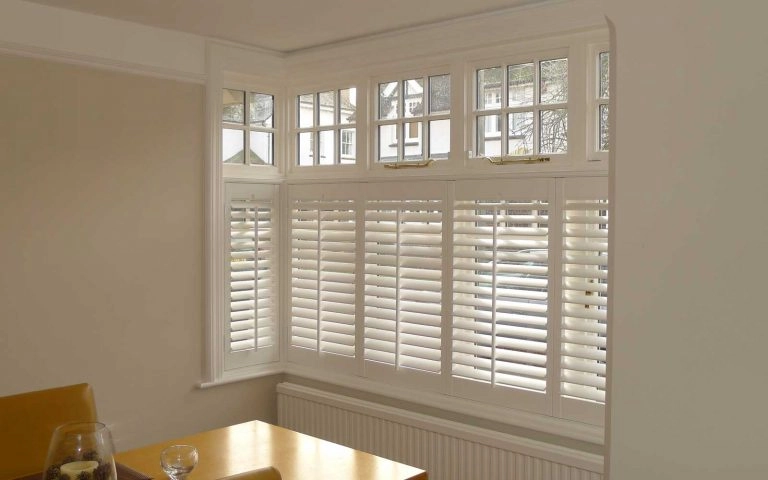
Shutters in Leicester: What to Look For And Why It Matters
Shutters are one of the few things people buy for their home expecting them to last for years sometimes decades.
Which means most homeowners in Leicester are not looking to replace them any time soon.
And that makes the decision far more important than simply finding the cheapest quote.
But here’s the problem.
Most shutter conversations focus almost entirely on:
- colours
- slat sizes
- and price
Very few explain the things that actually affect how shutters will feel to live with once they are fitted in your home.
Because the reality is:
The best shutters are not always the most expensive shutters.
They are the shutters that genuinely suit:
- your windows
- your lifestyle
- your privacy needs
- your light levels
- your heating and cooling problems
- and how you actually use the room every day
And in Leicester homes specifically from Victorian terraces and bay windows to modern extensions and new builds those details matter a lot more than many people realise.
The First Question Most People Ask (That Isn’t Actually the Right One)
“How much are shutters?”
Completely understandable question.
But usually the wrong place to start.
The better question is:
“What problem am I actually trying to solve?”
Because shutters solve very different problems depending on the room.
Problem |
Possible Shutter Solution |
Overlooked bay window |
Café style shutters |
Bedroom too bright |
Full height shutters with blackout curtains |
South-facing room overheating |
Adjustable louvres with light control |
Privacy without losing daylight |
Tier-on-tier shutters |
Moisture in bathrooms |
Waterproof or Woodguard shutters |
Large modern windows |
Hardwood or Woodguard shutters |
Period property styling |
Traditional framed shutters |
One of the biggest surprises for many homeowners is how different shutters can feel once they are actually installed.
We’ve visited homes where people initially chose shutters based purely on appearance online only to realise later the panels felt heavier than expected, blocked furniture access, or did not solve the privacy or light problems they originally wanted help with.
That is why the conversation matters far more than simply choosing a colour sample in a showroom.
Because the right shutters should feel effortless to live with years from now not just look good on installation day.
Leicester Homes All Have Different Challenges
One of the biggest mistakes in the shutter industry is treating every home the same.
But Leicester homes are incredibly varied.
A Victorian terrace in Clarendon Park behaves very differently to:
- a 1930s semi in Oadby
- a modern new build in Thorpe Astley
- a barn conversion in Oakham
- or a south-facing extension in Glenfield
And that changes what shutters should actually be recommended.
Bay Windows
Bay windows are incredibly common across Leicester.
And shutters can look fantastic in them.
But this is also where poor design decisions become very obvious.
Too many shutter panels can make the window feel cluttered and busy.
Too few can leave the panels feeling heavy, awkward, and frustrating to move every day.
We’ve visited homes where shutters looked beautiful visually but quickly became impractical because nobody properly considered how the room was actually used.
Good shutter design is about balance not simply copying the window layout exactly.
South-Facing Rooms
A lot of Leicester’s newer extensions struggle badly with overheating.
And many homeowners assume shutters will completely solve the problem.
Sometimes they help significantly with glare and direct sunlight.
But in very hot south-facing rooms, shutters alone are not always enough.
We’ve seen homeowners disappointed because nobody explained this properly before installation.
In some situations, specialist solar blinds, external shading, or combined window treatments can actually perform better for heat control.
And honest advice should explain that upfront.
Because good advice should solve the problem not simply sell shutters.
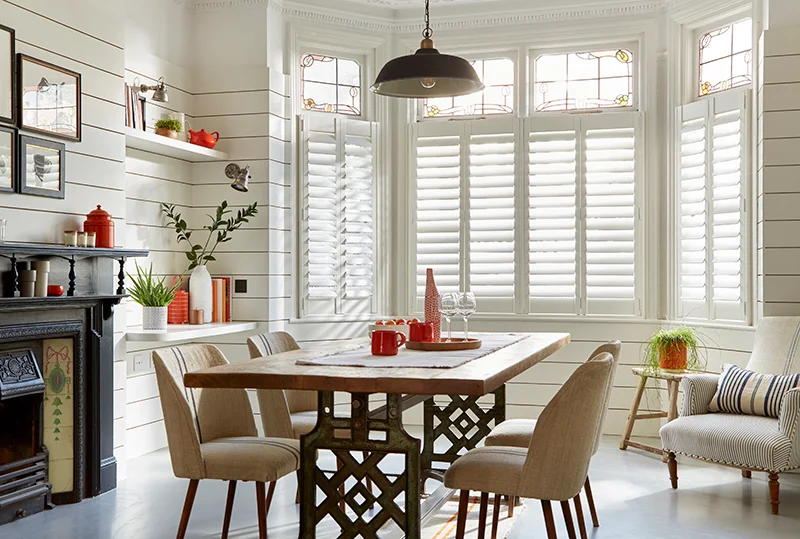
Bathrooms and Kitchens
This is one of the areas people overlook most often.
Not all shutters are designed for moisture-heavy environments.
Some lower-cost MDF shutters can struggle long term around constant steam and condensation.
For kitchens and bathrooms especially, it is important to properly discuss:
- waterproof options
- coated finishes
- ventilation
- material choice
- and long-term durability
particularly above sinks, near cookers, or inside poorly ventilated bathrooms.
This is one of the reasons material choice matters far more than most homeowners initially expect.
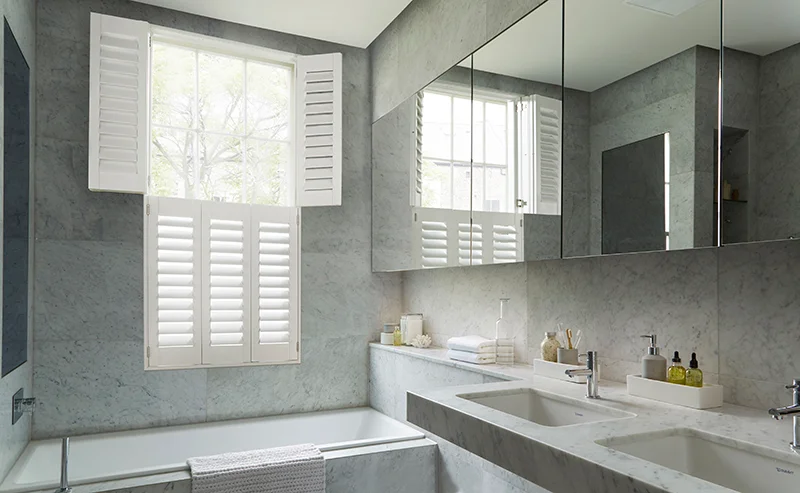
Material Matters More Than Most People Realise
A lot of shutter quotes can look very similar on paper.
But the materials used can vary massively.
And this is often where homeowners unknowingly focus too heavily on appearance rather than practicality.
MDF Shutters
MDF shutters are usually the most budget-friendly option.
And to be fair, they can look excellent in many homes.
They are often well suited to:
- standard windows
- dry rooms
- and more budget-conscious projects
But there are trade-offs.
MDF shutters are generally:
- heavier than hardwood or Woodguard
- less suited to very wide panels
- and not always ideal in moisture-heavy rooms long term
That does not make them “bad.”
It simply means they are not the right solution for every room.
Hardwood Shutters
Hardwood shutters are lighter and typically stronger than MDF.
They are often better suited to:
- larger windows
- wider panel spans
- premium finishes
- and long-term durability
They are usually more expensive.
But they often feel more refined in everyday use, particularly on larger openings where panel weight becomes noticeable over time.
Waterproof Fauxwood Shutters
Fauxwood shutters are specifically designed for rooms where moisture is part of everyday life.
That makes them ideal for:
- bathrooms
- kitchens
- utility rooms
- and pool areas
For many homeowners, the peace of mind alone makes them worth considering.
Woodguard Shutters
One of the most interesting developments in shutters over recent years has been the move towards hybrid materials.
Because traditionally, shutters often came with compromises.
Real wood shutters were lighter and more refined.
Waterproof shutters handled moisture better.
MDF shutters were usually more affordable but heavier.
Our Woodguard shutter range was introduced to bridge that gap.
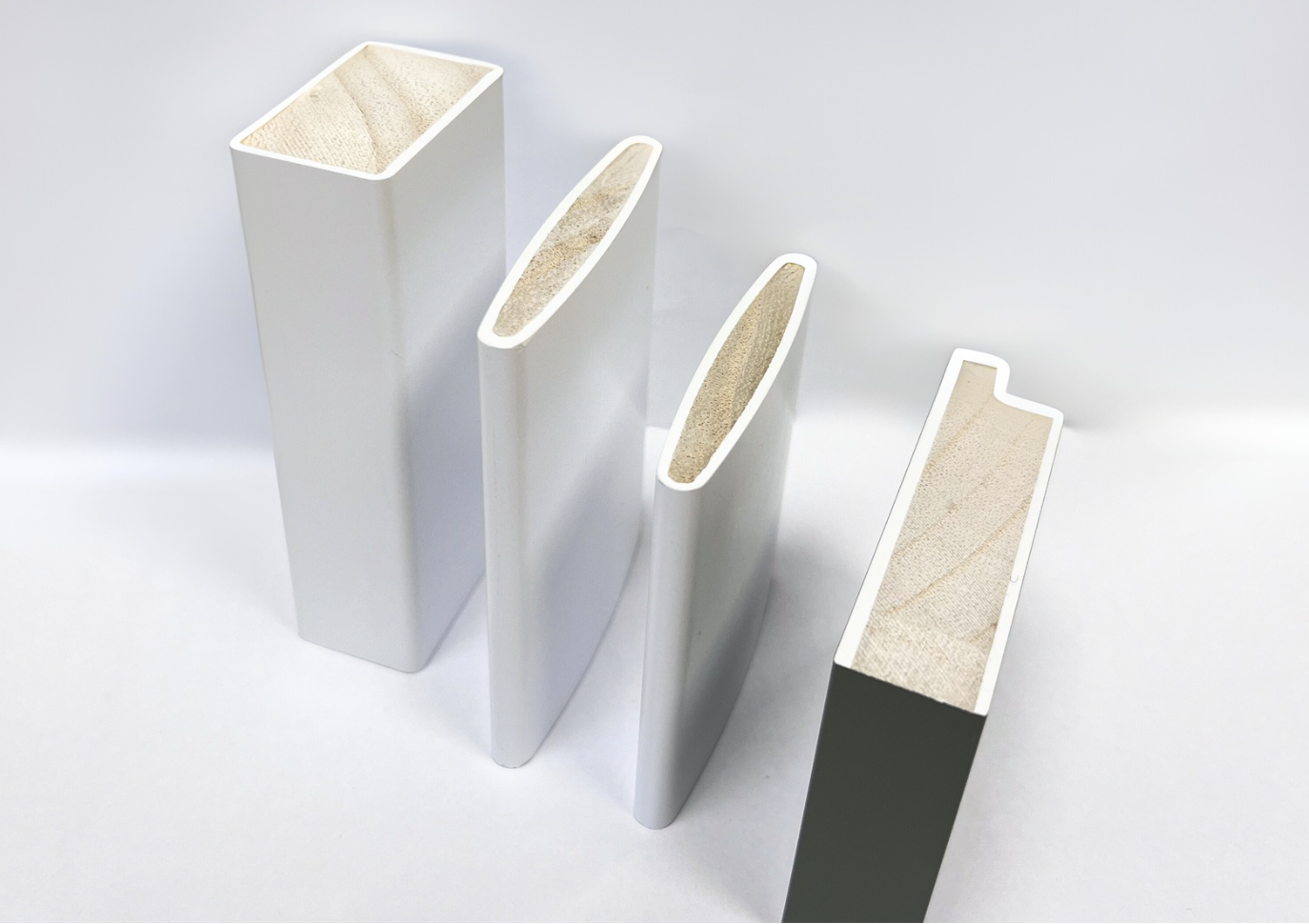
Woodguard shutters use a wooden core with a durable polymer coating.
In simple terms, they are designed to combine:
- the lighter feel and strength of wood
- with the durability benefits of a coated finish
This makes them particularly well suited to:
- busy family homes
- kitchens
- bathrooms
- south-facing rooms
- and larger windows where panel weight matters
One thing many homeowners are surprised by during home visits is how much shutter weight affects the overall feel of the panels.
Heavier shutters can become frustrating over time, especially across large windows or patio doors.
That is one reason we really like the Woodguard range.
It gives homeowners a practical middle ground between traditional hardwood shutters and fully waterproof polymer shutters without losing the clean painted finish most people want in the first place.
Why Seeing Shutters at Home Changes the Decision
One thing we realised years ago is that shutters are surprisingly difficult to choose from small samples alone.
A material that looks great in a showroom can feel completely different once it is fitted across a large bay window or patio doors.
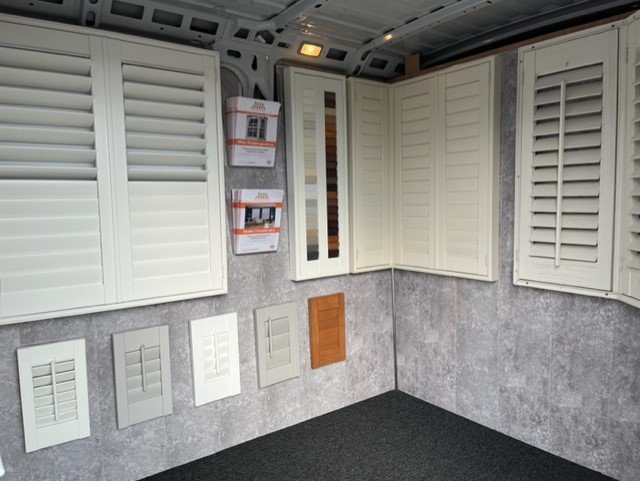
That is one reason we use a mobile shutter showroom across Leicestershire and the surrounding areas.
Instead of trying to imagine how different shutters might work in your home, homeowners can compare:
- panel sizes
- louvre options
- material weights
- finishes
- colours
- and operating styles
And honestly, this changes decisions all the time.
Some homeowners discover they actually prefer smaller louvres once they see them properly in natural light.
Others realise wider panels may look cleaner visually but feel heavier in day-to-day use.
We also regularly find that rooms people assumed needed shutters are sometimes better suited to blinds, curtains, or combined solutions instead.
That level of honesty matters.
Because the goal should never be simply fitting shutters.
It should be helping homeowners choose something they will still enjoy living with years later.

Quick Shutter Comparison Guide
Shutter Type |
Main Benefits |
Things to Consider |
MDF Shutters |
Lower cost, classic appearance |
Heavier, less ideal for moisture-heavy rooms |
Hardwood Shutters |
Lightweight, premium finish, larger panels possible |
Higher cost |
Waterproof Shutters |
Excellent for bathrooms and kitchens |
Slightly different finish and feel |
Woodguard Shutters |
Wooden core with durable coating, lighter feel, improved durability |
Mid-to-premium pricing depending on specification |
The Biggest Mistake People Make With Shutters
A lot of homeowners choose shutters the same way they choose paint colours based on how they look in photos.
The problem is you do not live with shutters in photos.
You live with them every single day.
And that is where practical details suddenly matter far more than people expect.
Things like:
- panel weight
- awkward openings
- light leakage
- furniture access
- cleaning
- window handles
- radiator clearance
- and how much sunlight actually enters the room
can completely change how shutters feel once they are installed.
We’ve visited homes where shutters looked fantastic visually but became frustrating because the panel layout simply was not practical for how the room was used.
That is why good shutter design should never be based on appearance alone.
What Good Shutter Advice Should Include
A proper shutter consultation should discuss:
- how the room is used
- where sunlight enters from
- privacy concerns
- whether windows open inward
- radiator positions
- furniture placement
- moisture levels
- and whether shutters are genuinely the best solution
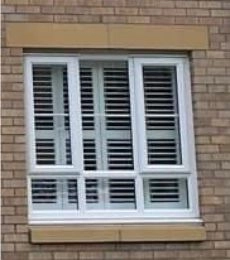
- How your shutters will look from outside
Because sometimes they are not.
And honest companies should feel comfortable saying that.
Questions Worth Asking Before Buying Shutters
Are the shutters suitable for bathrooms or kitchens?
Not all shutters are.
What material are they actually made from?
“MDF”, “wood”, and “hybrid coated shutters” are not the same thing.
Will the panels feel heavy?
Large heavy panels can become frustrating surprisingly quickly.
How wide will each panel be?
This affects both appearance and practicality.
How much light will still come through?
Shutters control light very well — but they are not true blackout products.
What happens if adjustments are needed later?
Worth discussing before ordering.
Are shutters genuinely the best solution for this room?
Possibly the most important question of all.
Why Leicester Homeowners Are Asking Better Questions
The shutter industry has become heavily price-led.
But shutters are not an impulse purchase.
They are a long-term part of your home.
And increasingly, Leicester homeowners are asking far better questions:
- Will these help keep the room cooler?
- Will they make the room darker?
- Are they suitable for bathrooms?
- How easy are they to clean?
- Will they still look good in 10 years?
- What happens if something needs adjusting later?
Those are the conversations that actually matter.
Because the right shutters should improve how your home feels — not simply how it looks.
Final Thought
The truth is, most shutters look good on installation day.
The real question is:
How will they feel six months later?
Will they still feel practical?
Will they still control the light properly?
Will they still work comfortably every day?
Will they still suit how the room is actually used?
That is why the best shutter companies spend less time selling products and more time understanding homes.
Because great shutters are not just about appearance.
They are about making a home feel better to live in long after the fitting team has left.
FAQs
Are shutters worth it in Leicester homes?
Yes particularly for privacy, light control, and appearance. They can work especially well in bay windows, south-facing rooms, and modern extensions when designed properly.
What are the best shutters for bay windows?
Usually full-height or tier-on-tier shutters depending on privacy and light requirements. Panel configuration is important to ensure shutters remain practical and visually balanced.
Are shutters good for keeping rooms cool?
Shutters can help reduce glare and direct sunlight, but specialist blinds or external shading can sometimes perform better for heat reduction in very hot rooms.
What shutters are best for bathrooms?
Fauxwood or Woodguard shutters are often the best option because they are designed to cope better with steam and condensation.
Do shutters make rooms dark?
They improve light control significantly but are not true blackout products because light can still pass around louvres and frames. You can add a cellular blackout blind to sit behind your shutter for almost total blackout.
Are MDF shutters bad?
Not necessarily. MDF shutters can look excellent and work very well in many dry-room applications, but they may not always be ideal for very wide panels or moisture-heavy rooms.
What are Woodguard shutters?
Woodguard shutters use a wooden core with a durable polymer coating, combining the lighter feel of wood with improved durability and moisture resistance.
How long should shutters last?
Good quality shutters fitted correctly should last for many years. Material quality, room conditions, and installation standards all affect lifespan.

About Phil Coleman
Phil Coleman is the fifth generation of his family to run Barlow Blinds, a Leicester business that has been making blinds since 1887. With over 30 years of hands-on experience, Phil has played a leading role in shaping industry standards including being part of the team that wrote the only NVQ qualification for blind and shutter installers. He also serves on the Management Committee of the British Blind & Shutter Association (BBSA), helping to set best practice across the trade. Under his leadership, Barlow Blinds has remained true to its founding principle: “It’s not our job to find customers for our blinds, it’s our job to find the right blinds for our customers.”