Where Are Your Blinds Actually Made? The Honest Answer Most Companies Don't Talk About
Blinds installed in the UK usually come from one of three sources: local manufacturers, specialist UK manufacturers, or overseas suppliers. Roller and vertical blinds are often made locally or in the UK, while shutters and most wooden venetian blinds are typically imported. Knowing where your blinds are made can help you understand lead times, repair options, spare parts availability and long-term support.
Not all blinds sold and installed in the UK are made in the same place.
In most cases, they come from one of three sources:
- Locally Made – Manufactured by a blind company in your local area.
- UK Made – Manufactured elsewhere in the UK by a specialist blind manufacturer.
- Imported – Manufactured overseas and shipped into the UK.
None of these options are automatically good or bad.
The important thing is understanding where your blinds come from, who made them, and what support will be available if something goes wrong in the future.
Because surprisingly few people ever ask.
The Question Every Blind Buyer Should Ask
A few weeks ago, I was visiting a customer's home to measure up for new blinds.
We'd already discussed fabrics, colours, and styles when she stopped me and asked:
"Can I ask something nobody else has answered? Where are your blinds actually made?"
For a moment, I was pleasantly surprised.
In over 30 years in the blinds industry, it's one of the most important questions a customer can ask, yet very few people ever do.
The easy answer would have been:
"Most of them are made in the UK."
And technically, that would have been true.
But it wouldn't have told the whole story.
So instead, I explained exactly where each product came from.
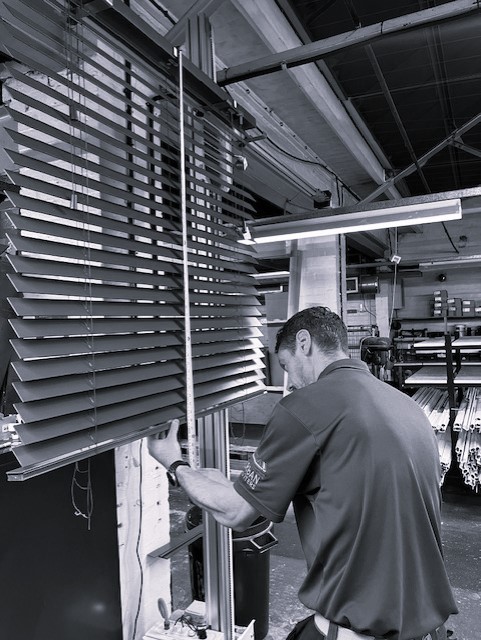
Some are manufactured in our Leicester factory.
Some are produced by specialist UK manufacturers that supply independent blind companies across the country.
Others, such as most shutters and many wooden venetian blinds, are imported because there are very few UK manufacturers left producing them.
The customer thanked me for being honest.
And it got me thinking.
Most homeowners spend hundreds or even thousands of pounds on blinds without ever knowing where they're made, who manufactures them, or what happens if they need repairs years later.
Why It Matters Where Your Blinds Are Made
For many people, the first question is:
"Does it really matter?"
Sometimes it does.
The place a blind is manufactured can affect:
- Lead times
- Spare parts availability
- Repairs and servicing
- Product consistency
- Warranty support
- Future replacement components
That's why understanding where your blinds come from can be just as important as choosing the right fabric or colour.
The Three Ways Blinds Are Manufactured
Option 1: Locally Made Blinds
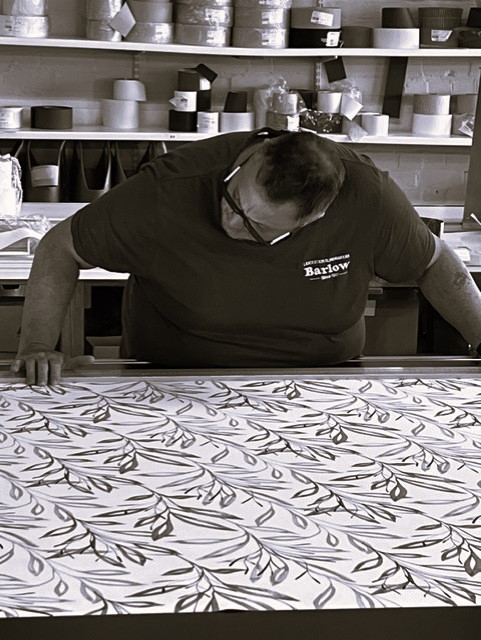
These are blinds manufactured by a blind company within your local area.
Thirty years ago, this was the norm.
When I first started in the trade, there were around twelve blind manufacturers in Leicestershire alone.
Today, only a handful remain.
Local manufacturing offers several advantages:
- Faster production times
- Greater flexibility
- Easier repairs
- Better after-sales support
- Direct quality control
- Support for local jobs and skills
If a customer has an issue, the people who made the blind are often only a short drive away.
The challenge is that many modern blind systems require specialist machinery and production volumes that smaller manufacturers simply can't justify investing in.
Option 2: UK-Made Blinds
Many blinds are now manufactured by specialist trade suppliers based around the UK.
Rather than producing every type of blind themselves, these manufacturers focus on specific product categories and supply independent blind companies nationwide.
Advantages include:
- Consistent manufacturing quality
- Extensive fabric and colour ranges
- Reliable spare parts availability
- UK-based technical support
- Products designed specifically for UK homes
For many blind types, this has become the most common manufacturing model.
Option 3: Imported Blinds
Some products are manufactured overseas and imported into the UK.
This is especially common for products that require large-scale production facilities or specialist manufacturing processes.
Examples include:
- Most plantation shutters
- Many wooden venetian blinds
- Some faux wood blinds
- Certain specialist systems
Imported products are often chosen because they can be manufactured efficiently and competitively at scale.
That doesn't automatically make them lower quality.
In fact, some imported products are excellent.
However, there can sometimes be challenges with:
- Longer lead times
- Spare parts availability
- Shipping delays
- Future product continuity
The important question isn't whether a blind is imported.
The important question is:
"Who will support it if I need help in five years' time?"
Where Different Types of Blinds Are Usually Made
Blind Type |
Local Manufacturers |
UK Manufacturers |
Imported Products |
Roller Blinds |
Common |
Common |
Rare |
Vertical Blinds |
Common |
Common |
Rare |
Perfect Fit Blinds |
Some |
Very Common |
Rare |
Cellular / Pleated Blinds |
Some |
Very Common |
Limited |
Day & Night Blinds |
Some |
Common |
Common |
Aluminium Venetians |
Very Rare |
Common |
Common |
Wooden Venetians |
Very Rare |
Some |
Very Common |
Faux Wood Venetians |
Very Rare |
Some |
Very Common |
Allusion Blinds |
Some |
Common |
Rare |
Roman Blinds |
Some |
Very Common |
Limited |
Shutters |
None |
Limited |
Very Common |
Why Some Products Can No Longer Be Made Locally
Every blind product requires different equipment, skills, and production volumes.
A roller blind can often be manufactured locally.
A shutter requires specialist woodworking facilities, extensive production capacity, and highly specialised manufacturing processes.
A wooden venetian blind requires machinery and production volumes that make local production difficult for most independent manufacturers.
That's why many blind companies source products from multiple manufacturers.
And that's completely normal.
The real issue isn't where the product comes from.
It's whether the company selling it is open and honest about where it comes from.
A Story That Highlights Why This Matters
Over the years, we've visited homes where blinds fitted only a few years earlier could no longer be repaired.
Not because the blind itself was poor quality.
But because the original supplier had disappeared, parts were unavailable, and nobody knew who had actually manufactured the product.
For the homeowner, a small repair turned into a complete replacement.
That's why understanding the supply chain matters.
Not because local is always better.
Not because imported is always worse.
But because knowing who stands behind the product gives you confidence long after installation day.
The Questions Worth Asking Before You Buy
Most people ask:
"How much are they?"
That's understandable.
But there are often better questions.
Ask:
- Where are they made?
- Who manufactures them?
- Can they be repaired?
- Are spare parts available?
- What warranty support exists?
- What happens if something fails in five years?
- Who do I call if I need help?
The answers to those questions often tell you far more about a blind company than the quotation itself.
Our Approach at Barlow Blinds
At Barlow Blinds, we believe customers deserve complete transparency.
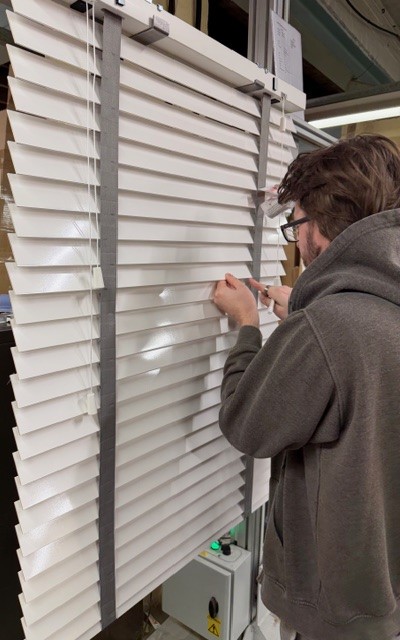
All of our roller blinds vertical blinds, Allusion and Perfect Fit Blinds are still manufactured here in Leicester.
For products we don't manufacture ourselves, we work with carefully selected UK suppliers who specialise in those specific blind systems.
And when a product can only realistically be sourced overseas, we're upfront about that too.
The important thing is that the blinds we don’t make in our factory still have to pass the same quality control checks as our own blinds.
We don't believe customers should have to guess where a product comes from.
You deserve to know:
- Who made it
- Where it was made
- How it can be maintained
- Who will support it in the future
After all, the best blind isn't simply the one that looks good on the day it's fitted.
It's the one that's still working properly years later and backed by people who are still there when you need them.
Frequently Asked Questions
Are UK-made blinds always better than imported blinds?
Not necessarily.
There are excellent UK-made blinds and excellent imported blinds. The key difference is often the level of support available after installation, including spare parts, repairs, and warranty assistance.
The most important factor is choosing a company that is transparent about where its products come from and willing to support them long-term.
Why are most shutters imported?
Very few shutter manufacturers still operate in the UK.
Shutters require specialist woodworking facilities, large-scale production, and highly skilled manufacturing processes. As a result, most shutters sold in the UK are imported from overseas manufacturers.
Can imported blinds be repaired?
In many cases, yes.
However, repairs can sometimes depend on the availability of spare parts. This is why it's worth asking what support is available if a component needs replacing several years after installation.
How can I find out where a blind is made?
The simplest approach is to ask.
A reputable blind company should be able to tell you where the product is manufactured, whether it's made locally, elsewhere in the UK, or overseas.
Does where a blind is made affect lead times?
It can.
Locally manufactured products may sometimes be produced more quickly, while imported products may be affected by shipping schedules and international supply chains.
Lead times vary by product and manufacturer.
Are locally made blinds more expensive?
Not always.
Pricing depends on the product type, materials, manufacturing process, and supplier. In some cases locally made products can be competitively priced, while in others imported products may offer cost advantages due to larger production volumes.
What should I ask before buying blinds?
We recommend asking:
- Where are they made?
- Who manufactures them?
- Are spare parts available?
- Can they be repaired?
- What warranty is included?
- Who do I contact if I need support in the future?
The answers often tell you far more than the price alone.

About Phil Coleman
Phil Coleman is the fifth generation of his family to run Barlow Blinds, a Leicester business that has been making blinds since 1887. With over 30 years of hands-on experience, Phil has played a leading role in shaping industry standards including being part of the team that wrote the only NVQ qualification for blind and shutter installers. He also serves on the Management Committee of the British Blind & Shutter Association (BBSA), helping to set best practice across the trade. Under his leadership, Barlow Blinds has remained true to its founding principle: “It’s not our job to find customers for our blinds, it’s our job to find the right blinds for our customers.”