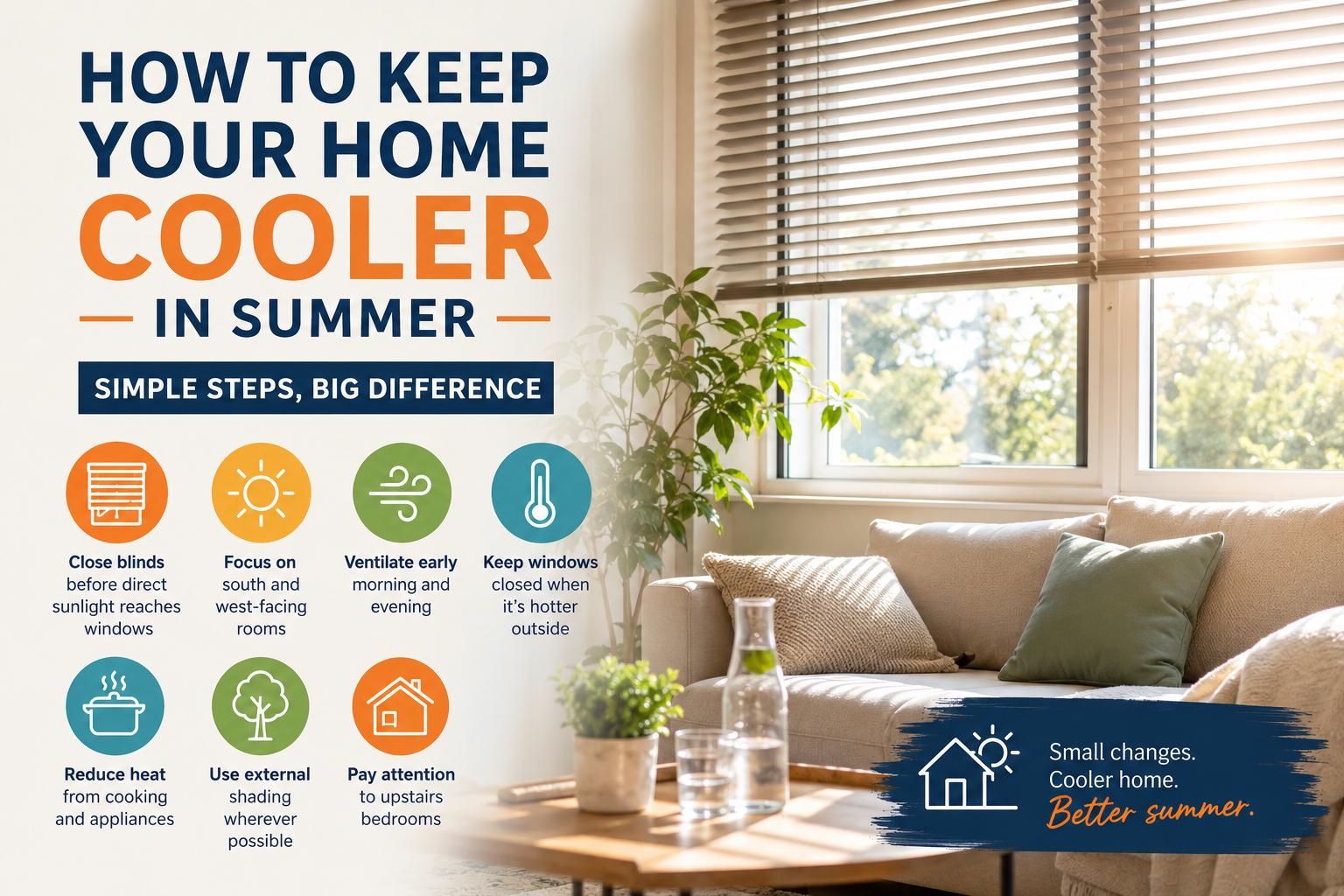
How to Keep Your Home Cooler in Summer: A Practical Guide for UK Homes
Quick Answer
The most effective way to keep your home cooler during summer is to prevent heat entering the property in the first place.
For most UK homes, overheating is caused by a combination of direct sunlight, warm outdoor air and heat generated indoors. The good news is that a few simple changes to how you manage sunlight, ventilation and everyday household activities can make a noticeable difference to comfort levels.
You don't necessarily need expensive cooling equipment. In many cases, simple measures such as using blinds effectively, creating shade and ventilating at the right times can help reduce overheating and improve comfort throughout the home.
Summer Cooling Best Practice Guide
If you're looking for the quickest ways to keep your home cooler, start here:
✓ Close blinds, curtains or shutters before direct sunlight reaches windows
✓ Focus on south-facing and west-facing rooms first
✓ Ventilate during cooler morning and evening periods
✓ Keep windows closed when outdoor temperatures exceed indoor temperatures
✓ Reduce heat from cooking, tumble drying and electrical appliances during the hottest part of the day
✓ Use external shading such as awnings, pergolas, trees or planting wherever possible
✓ Pay particular attention to upstairs bedrooms and loft conversions
These simple steps can help reduce heat build-up and improve comfort during hot weather.
Why This Advice Works
The recommendations in this guide are based on well-established building physics principles and guidance from organisations such as the Energy Saving Trust, CIBSE (the Chartered Institution of Building Services Engineers) and UK Building Regulations.
Overheating has become an increasing concern in UK housing. In fact, the issue is now specifically addressed through Part O of the Building Regulations, which aims to reduce overheating risks in new homes.
While every property behaves differently, research consistently points towards three key strategies:
- Reduce solar heat gain
- Ventilate at the right time
- Minimise unnecessary heat generated indoors
These are the same principles used in many energy-efficient buildings designed to remain comfortable during warm weather.
Why UK Homes Are Getting Hotter
If you've ever spent a summer night lying awake because your bedroom felt more like a greenhouse than a place to sleep, you're certainly not alone.
Many UK homes were designed primarily to retain heat during winter. While this helps improve energy efficiency during colder months, it can also make homes more susceptible to overheating during prolonged periods of warm weather.
One of the biggest contributors is solar heat gain.
In simple terms, sunlight passes through windows and warms internal surfaces such as floors, furniture and walls. That heat then becomes trapped inside the building.
This is why preventing heat entering the home is often more effective than trying to remove it later.
Recommendation
Before investing in cooling equipment, identify which rooms become hottest and at what times of day.
Understanding where heat enters your home is often the most valuable first step.
1. Reduce Solar Heat Gain
One of the most effective ways to keep a home cooler is to limit direct sunlight entering through windows.
Many homeowners only react once a room already feels uncomfortable. Unfortunately, by that point much of the heat has already entered the building.
South-facing and west-facing windows are often the biggest contributors to overheating, particularly in rooms with large areas of glazing.
Pay particular attention to:
- South-facing windows
- West-facing windows
- Conservatories
- Roof lanterns
- Skylights
- Patio and bi-fold doors
These are often the areas where preventative action delivers the greatest benefit.
Ways To Reduce Solar Heat Gain
There are several approaches that can help:
- Internal blinds
- Curtains
- Plantation shutters
- External blinds
- Awnings
- Pergolas
- Trees and planting
- Solar control glazing
- External shading systems
The best solution will depend on your property, but all aim to achieve the same outcome: reducing the amount of solar heat entering the building.
2. Use Blinds and Window Coverings Effectively
Blinds are one of the simplest and most practical ways to help reduce overheating.
However, many people only close blinds after a room has already become hot.
A more effective approach is to close blinds before direct sunlight reaches the glass.
By limiting the amount of solar energy entering the room, blinds can help:
- Reduce heat build-up
- Improve comfort levels
- Reduce glare
- Protect furnishings from prolonged sun exposure
- Improve bedroom comfort during warm weather
When Should You Close Blinds?
Timing matters.
For example, if a west-facing room receives strong afternoon sunlight, closing blinds before lunchtime can help keep temperatures lower later in the day.
Think of blinds as a preventative measure rather than a reactive one.
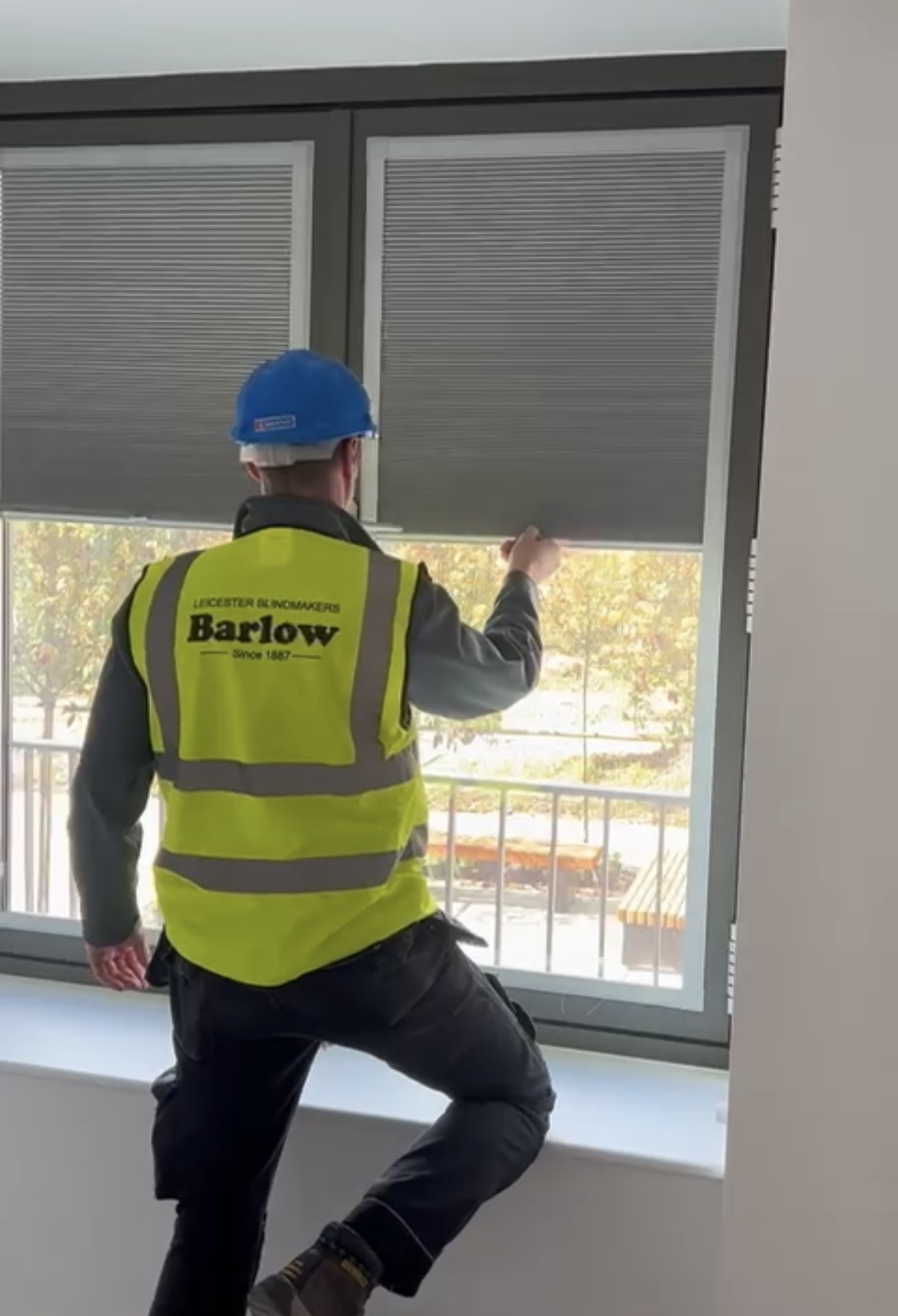
Internal vs External Shading
While internal blinds can be highly effective, external shading often provides additional benefits because it helps stop sunlight reaching the glass in the first place.
This is one reason why awnings, external blinds and pergolas are increasingly used to help reduce overheating during summer.
3. Ventilate At The Right Time
One of the most common misconceptions is that opening windows always cools a home.
In reality, opening windows when outdoor temperatures are higher than indoor temperatures can sometimes make rooms warmer.
Best Times To Ventilate
Ventilation is usually most effective during:
- Early morning
- Late evening
- Overnight (where safe and practical)
Action
Whenever possible, create cross-ventilation by opening windows on opposite sides of the property.
This helps remove heat that has accumulated during the day.
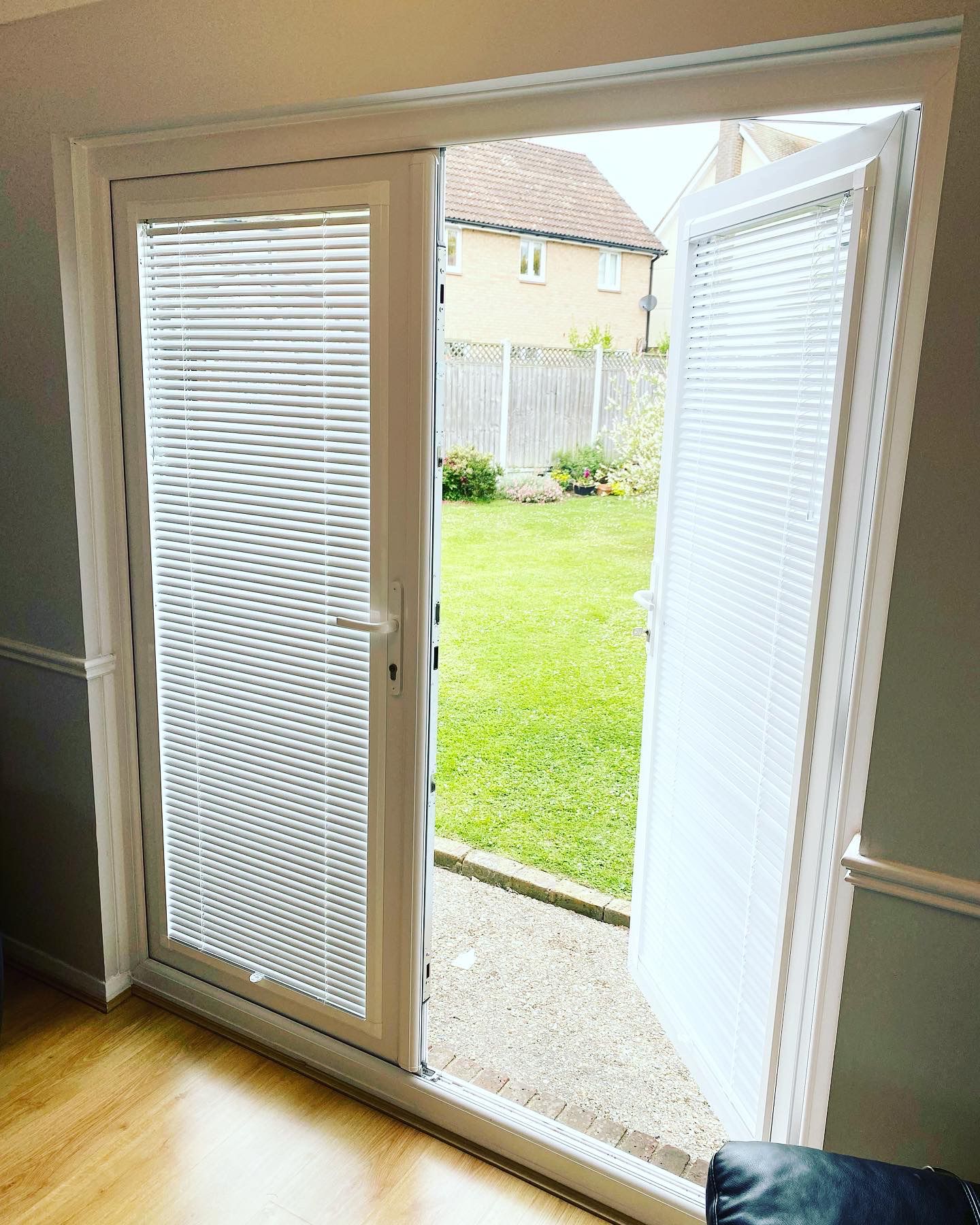
4. Keep Hot Outdoor Air Out During Peak Temperatures
Many people leave windows open throughout the hottest part of the day in an attempt to cool their homes.
Sometimes this helps.
Often it doesn't.
If outdoor temperatures exceed indoor temperatures, warm air can simply flow into the property.
Recommendation
Consider monitoring indoor and outdoor temperatures rather than relying on instinct alone.
A simple thermometer can help you make better decisions about when to ventilate.
5. Reduce Heat Generated Inside The Home
Homes generate a surprising amount of heat themselves.
Cooking, tumble drying, lighting and electrical appliances all contribute to rising indoor temperatures.
Consider:
- Drying clothes outdoors
- Cooking later in the evening
- Switching off unused electronics
- Using LED lighting
- Running washing machines and dishwashers overnight
While each change may seem small, the combined effect can be noticeable during hot weather.
Maybe on those very hot days you could treat yourself to a meal out in a nice air conditioned restaurant. No cooking in a hot kitchen and helping local businesses who are usually quiet on hot days. Win, Win.
6. Don't Forget Upstairs Rooms
Heat rises, which is one reason bedrooms often remain uncomfortable long after downstairs rooms have cooled.
Loft spaces can also absorb and store significant amounts of heat during sunny weather, gradually releasing that heat throughout the evening.
Pay Particular Attention To:
- South-facing bedrooms
- Loft conversions
- Rooms directly beneath the roof
Using blinds strategically and ventilating during cooler periods can help improve comfort in these areas.
Common Summer Cooling Mistakes
Mistake |
Better Approach |
Opening all windows at midday |
Ventilate during cooler periods |
Waiting until rooms become hot |
Prevent heat build-up early |
Ignoring room orientation |
Focus on south and west-facing rooms first |
Using ovens during peak temperatures |
Cook later in the day |
Assuming every room behaves the same |
Monitor each room individually |
Frequently Asked Questions
Do blinds really help keep a room cooler?
Yes. Blinds can help reduce solar heat gain by limiting the amount of direct sunlight entering through windows. They are generally most effective when closed before direct sunlight reaches the glass.
Is it better to keep windows open or closed during a heatwave?
It depends on the temperature outside. If outdoor temperatures are higher than indoor temperatures, keeping windows closed may help prevent additional heat entering the property. Ventilation is usually most effective during cooler morning and evening periods.
Which rooms are most likely to overheat?
South-facing and west-facing rooms typically experience the highest levels of solar heat gain. Conservatories, loft conversions and rooms directly beneath the roof can also become significantly warmer during hot weather.
Are external blinds better than internal blinds?
External shading is often more effective because it prevents sunlight reaching the glass in the first place. However, internal blinds can still significantly reduce heat build-up when used correctly.
Why is my upstairs bedroom hotter than the rest of the house?
Heat naturally rises through a property. In addition, loft spaces can absorb and store heat during the day, which may continue to affect upstairs rooms long after outdoor temperatures begin to fall.
What's the cheapest way to keep a house cooler in summer?
For most households, the lowest-cost improvements involve using existing blinds or curtains strategically, ventilating during cooler periods, reducing indoor heat sources and creating shade wherever possible.
Final Recommendations
If you only do five things this summer, make them these:
- Identify your hottest rooms.
- Reduce direct sunlight entering those spaces.
- Use blinds, curtains or shading before rooms become hot.
- Ventilate early morning and evening.
- Reduce unnecessary heat generated indoors.
Most of these measures cost little or nothing.
But together they can make a significant difference to comfort levels, helping create a home that feels cooler, calmer and more comfortable throughout the summer months.

About Phil Coleman
Phil Coleman is the fifth generation of his family to run Barlow Blinds, a Leicester business that has been making blinds since 1887. With over 30 years of hands-on experience, Phil has played a leading role in shaping industry standards including being part of the team that wrote the only NVQ qualification for blind and shutter installers. He also serves on the Management Committee of the British Blind & Shutter Association (BBSA), helping to set best practice across the trade. Under his leadership, Barlow Blinds has remained true to its founding principle: “It’s not our job to find customers for our blinds, it’s our job to find the right blinds for our customers.”