How Long Should Blinds Actually Last?
Blinds aren’t something most people think about until they break.
They jam. They sag. They fade into something sad and beige. And suddenly you're standing in a room with half-working blinds thinking, “Didn’t we just have these fitted?”
So let’s ask the question upfront one that surprisingly few homeowners think to ask until it’s too late:
How long should blinds actually last?
Here’s the honest answer: it depends.
Not on fashion trends. Not on colour. But on how they’re built, what they’re made from, and whether they’re designed to be repaired not just replaced.
If you're replacing blinds every 2–3 years, something's wrong. And no, it’s not just “normal wear and tear.” This guide breaks down how long blinds should last, what cuts their life short, and how to choose ones built to go the distance.
The Short Answer
Good blinds? They last years plural.
Here’s a rough breakdown:
- Roller & vertical blinds: 5-9 years
- Venetian blinds (wood, faux wood, aluminium): 8-12 years
- Roman blinds: 10+ years
- Shutters: 20–30+ years (yes, really—when properly done)
So when blinds are falling apart after just a couple years, it usually comes down to one thing: shortcuts in materials, components, or installation.
What Actually Determines Lifespan?
1. It’s the Components (Not Just the Fabric)
Most people shop for blinds by fabric. But fabric doesn’t open and close your blinds every day.
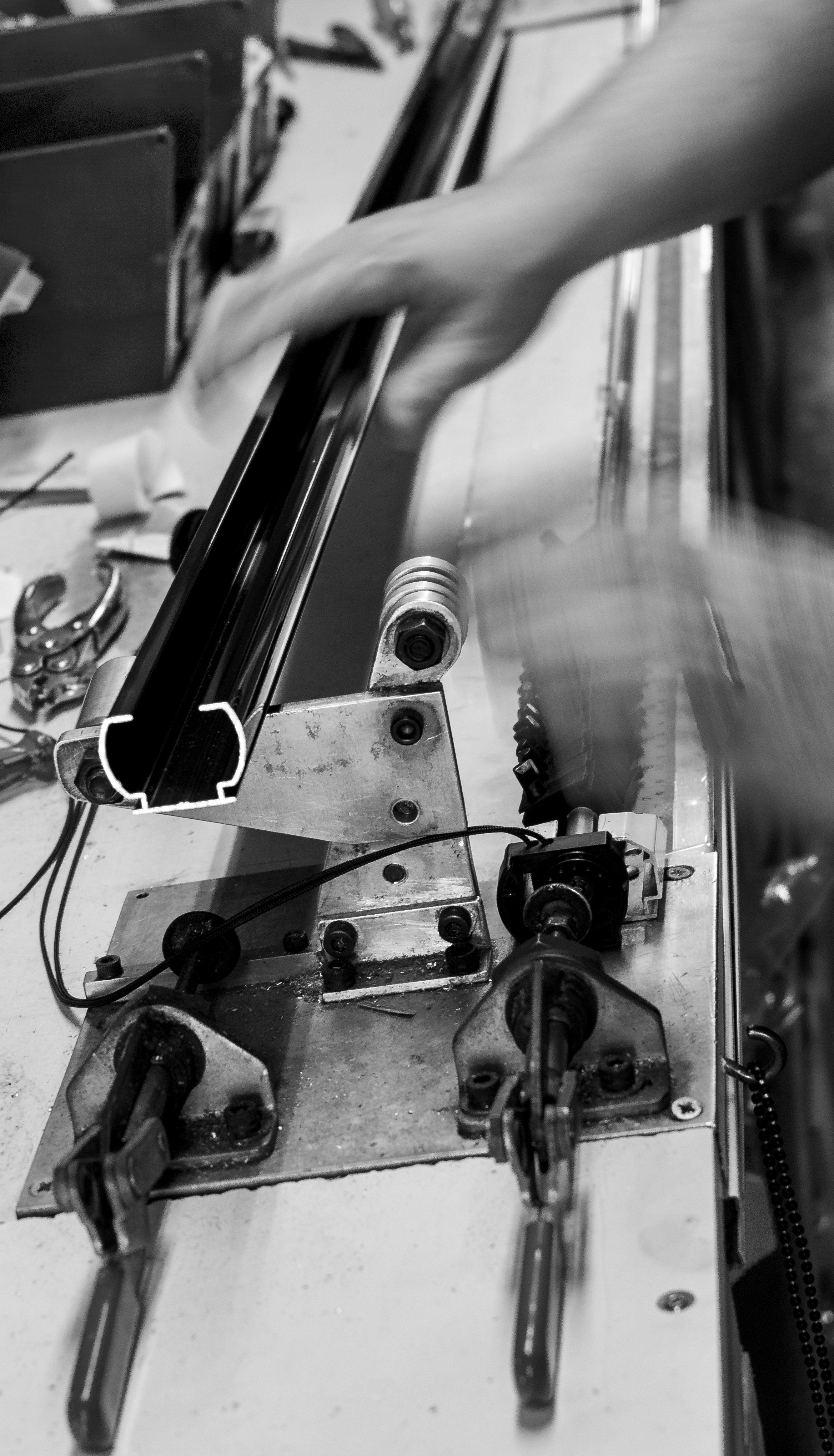
What does the heavy lifting is the tube, the mechanism, the brackets the things you barely see. And here’s the truth: in cheaper systems, those parts are often undersized or under-spec’d to hit a price point. Especially on wide windows, they just wear out faster.
We’ve seen blinds installed with thin tubes that looked fine at first until they started bowing under their own weight after 18 months.
2. How It’s Made
It’s not just what you use it’s how you build it.
- Crush-cut edges age better than heat-sealed or knife cut ones.
- Hand-sewn louvres won’t be affected by sunlight unlike glued ones.
- Proper stitching keeps blinds from twisting or sagging with time.
These things are invisible on day one. But by year five? They’re the difference between “still looks great” and “why is it flapping like that?”
3. Installation Matters More Than You Think
You can buy the best blind in the world and ruin it with bad install.
We’ve seen it.
Fixings placed too narrowly. Screws into crumbling plaster. Not enough brackets. All of it puts stress on the parts that move until they stop moving smoothly.
Good fitting means smoother operation, less strain, and blinds that stay aligned over time.
4. Environment & Usage
Some rooms are tougher on blinds than others:
- South-facing windows? More heat + UV = faster fade and fatigue.
- Kitchens & bathrooms? Steam, temperature swings, and moisture.
- Bedrooms? Daily use, often at odd hours.
If a blind isn’t matched to its environment, it’s going to age faster. Simple as that.
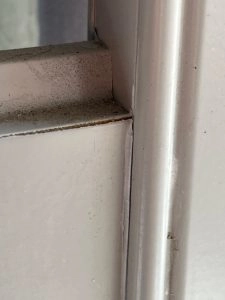
| |
The photo above is an MDF shutter fitted in an ensuite. After less than 2 years the moisture has damaged the shutter beyond repair. The lady was sols 'waterproof' shutters but the company concerned installed cheaper. Not something you would notice for a couple of years. |
Why Some Blinds Just Don’t Last
Here’s the uncomfortable truth: some blinds are built to fail.
It’s not a mistake it’s a business model. You get:
- Lightweight mechanisms built for low cost, not longevity.
- Systems that can’t be repaired, even when a small part breaks.
- Short warranties and discontinued components.
That turns a minor fix into a full replacement. And just like that, blinds become disposable—whether you want them to be or not.
Repair, Recover, or Replace?
This is where real value shows up.
Well-made blinds aren’t throwaways. You can:
- Recover the fabric and reuse the mechanism.
- Adjust or replace a worn component.
- Remount into the same fixings.
That’s not just cheaper it’s smarter. And better for the planet.
If your blinds can’t be repaired or recovered, they probably weren’t designed to last in the first place.
What to Ask Before You Buy
Want blinds that stand the test of time? Ask your supplier:
- How long is the guarantee and what’s actually covered?
- Are parts repairable or replaceable?
- Are components sized for my window, or just stock?
- Will this system still be supported in 5–10 years?
- Does your company actually make these blinds ?
Because here’s the thing: Good blinds aren’t defined by looks. They’re defined by how well they hold up after hundreds (or thousands) of uses.
Final Word
Blinds shouldn’t feel disposable.
When they’re built well and fitted right, they become part of how your home works. Quietly. Reliably. For years.
If you’ve been disappointed in the past, maybe the better question isn’t “how long do blinds last?” but this:
Were they ever designed to last in the first place?
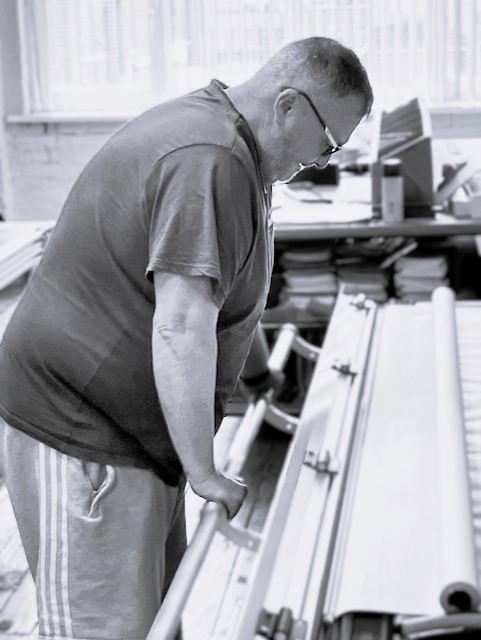
Written by Ady Mumford – Factory Manager
Ady has spent over 25 years in the Barlow Blinds factory and understands blinds manufacturing down to the smallest detail. As Factory Manager, he leads the team that makes many of our blinds right here in Leicester, ensuring every product leaving the factory meets the standards we’ve built our reputation on.