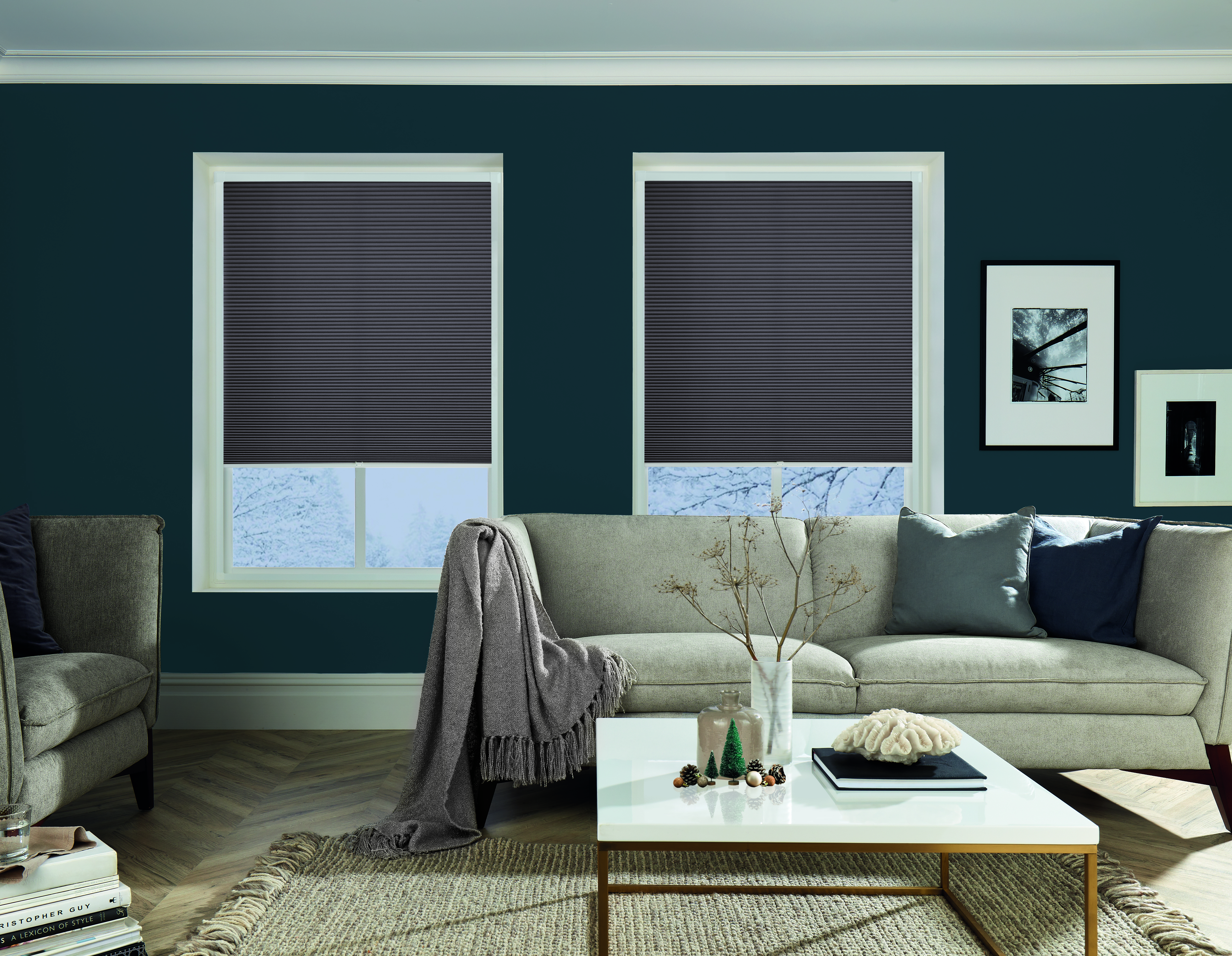
You Can Feel the Heat Stay In
Yesterday I visited a home thanks to a recommendation.
Before I’d even taken my tape measure out, the homeowner said:
“A friend of mine had cellular blinds fitted by you last year and I love them. What really sold them was when she lowered them, you could actually feel the draft stop. The room just felt warmer.”
Not a statistic.
Not a brochure claim.
A feeling.
And that’s what people actually buy.
Why Cellular Blinds Feel Different
Cellular (honeycomb) blinds aren’t just another fabric hanging in a window.
They’re built with pockets of air inside their structure.
And air when it’s trapped is a powerful insulator.
When lowered properly, they create a barrier between the cold glass and the warm air inside your room.
Stand next to an uncovered window in winter and you’ll feel it that steady drop of cold air rolling down the glass.
Lower a well-fitted cellular blind and that movement reduces dramatically.
That’s not clever marketing.
That’s physics.
The Research Behind the Feeling
The British Blind and Shutter Association worked with the University of Salford to test the thermal performance of blinds in real homes.
The conclusion?
Properly fitted blinds can significantly reduce heat loss through windows.
And considering windows are responsible for a large portion of heat loss in UK homes, that matters.
To find out more about the BBSA and University of Salford energy saving blinds results click here
Blinds don’t just decorate a room.
They can improve it.
But here’s the truth:
Research is convincing.
Real life is decisive.
The Moment That Sells It
When someone says:
“I could actually feel the draft stop and the room felt warmer.”
That’s not theory.
That’s lived experience.
And nobody recommends a blind.
They recommend the difference it made.
The Honest Bit
Not all blinds perform the same.
Fit matters.
Fabric matters.
How it seals at the sides matters.
If a blind hangs loosely with gaps, it won’t perform properly.
If it’s measured accurately, installed correctly, and chosen for the right room that’s when you notice it.
Are cellular blinds the cheapest option on the market?
No.
But compared to replacing windows or undertaking major insulation work, they’re often a far more practical middle ground.
And unlike many “energy-saving” upgrades, this one is something you can physically feel.
Why This Matters Right Now
Energy costs aren’t falling dramatically.
Homes are still losing heat through glass.
And comfort isn’t just about the thermostat reading it’s about eliminating cold spots and that uncomfortable chill near the window at 6pm in January.
Cellular blinds won’t turn your home into a passive house.
But they will improve what you already have.
And sometimes, you don’t need a thermal camera to prove it.
You just need to stand next to the window.
Frequently Asked Questions About Cellular Blinds and Heat Loss
Do cellular blinds really reduce heat loss?
Yes, when properly fitted, cellular blinds can significantly reduce heat loss through windows.
Their honeycomb structure traps air, creating an insulating barrier between cold glass and the warm air inside your room. Independent research commissioned by the British Blind and Shutter Association has shown measurable reductions in heat loss when blinds are correctly installed.
The key word is properly fitted.
How much warmer does a room feel with cellular blinds?
Most homeowners don’t describe it in degrees.
They describe it as:
- “The draft stopped.”
- “It feels cosier.”
- “You can actually sit near the window now.”
You’re reducing cold air movement and cold radiation from the glass and that changes how the room feels, even if the thermostat stays the same.
Are cellular blinds better than roller blinds for insulation?
In most cases, yes.
Standard roller blinds are a single layer of fabric.
Cellular blinds contain structured air pockets that act as insulation.
That structure is what makes the difference.
If insulation performance matters to you, cellular blinds are typically the stronger option.
Are cellular blinds worth the money?
They are not the cheapest blind available.
But compared to:
- Replacing windows
- Major insulation upgrades
- Living with cold spots for years
They’re often a practical middle ground.
If your goal is comfort improvement without renovation, they’re usually worth considering.
Do cellular blinds replace proper insulation?
No.
They improve what you already have they don’t replace loft insulation, wall insulation, or double glazing.
Think of them as an enhancement, not a substitute.
Do they work on older homes?
Yes, especially in older homes where window glass is a major source of heat loss.
Victorian terraces, 1930s semis, and properties with larger glazed areas often see noticeable comfort improvements.
Does installation affect performance?
Absolutely.
If there are gaps at the sides, the insulating effect is reduced.
Correct measuring, tight fitting, and proper sealing make a significant difference.
About Phil Coleman
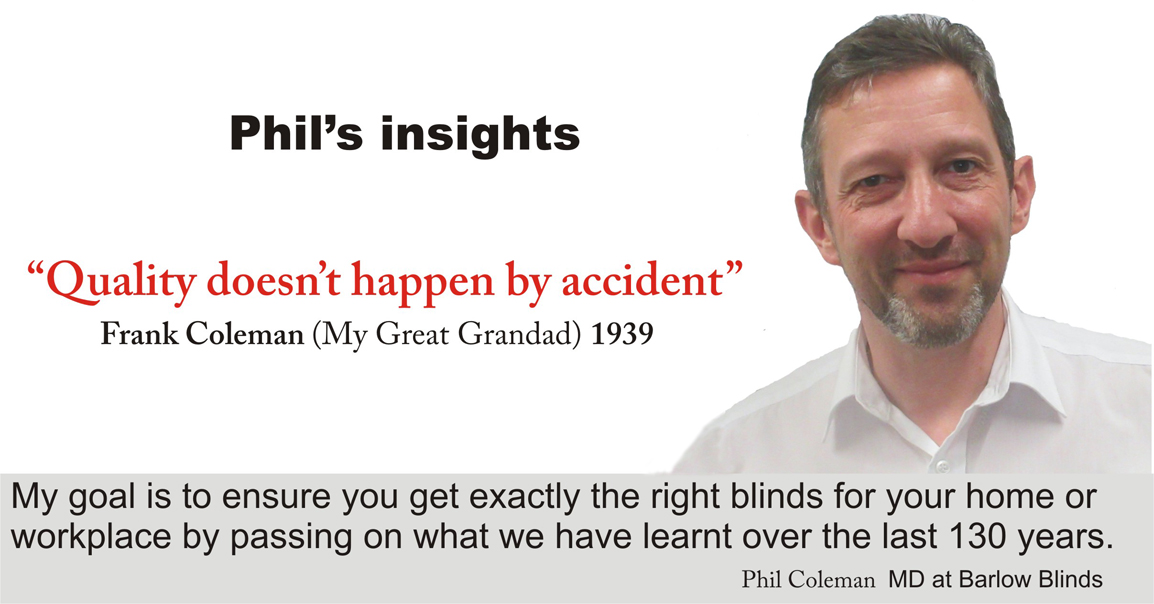
Phil Coleman is the fifth generation of his family to run Barlow Blinds, a Leicester business that has been making blinds since 1887. With over 30 years of hands-on experience, Phil has played a leading role in shaping industry standards including being part of the team that wrote the only NVQ qualification for blind and shutter installers. He also serves on the Management Committee of the British Blind & Shutter Association (BBSA), helping to set best practice across the trade. Under his leadership, Barlow Blinds has remained true to its founding principle: “It’s not our job to find customers for our blinds, it’s our job to find the right blinds for our customers.”