Blinds That Do More Than Look Good
How the right blinds help your home feel warmer and work smarter in winter
We usually think of blinds as something for privacy, blocking light, or pulling a room’s look together.
But there’s something they rarely get credit for: helping your home hold onto heat.
If you’ve ever felt a sudden chill standing near your window in winter even with double glazing you already know the problem.
Glass is one of the weakest spots in a home’s thermal armour.
We insulate our lofts.
We insulate our walls.
But windows? Often left exposed.
That’s where well-chosen blinds come in not as a silver bullet, but as a smart, quiet line of defence against heat loss. One that makes your home more comfortable to live in and less costly to keep warm.
Why Blinds Matter More Than You Think in Winter
Blinds don’t heat your home.
But what they can do is slow down how quickly your hard-earned warmth slips away.
Here’s how:
When closed, a blind acts like a buffer between the warm air in your room and the cold surface of the glass. That air gap helps reduce heat transfer meaning your room holds a steadier temperature, especially overnight.
You may not feel the difference in degrees immediately. But you’ll feel the difference fewer cold spots, less draughty air, more even warmth.
Lower Bills Without Changing Your Life
Blinds help reduce heat loss through windows, which can ease the pressure on your heating system.
The exact impact depends on a few things:
- The type of blind you choose
- How well it fits the window
- When you open and close it
- How the room is used day-to-day
But the real power is in the control they give you.
With the right blinds, you can:
- Keep warmth in during cold evenings
- Let sunlight do the work during the day
- Avoid unnecessary heating cycles
- Prevent rooms overheating when the sun is low but strong
Used well, blinds help your home work with the seasons not against them.
A Long-Term Investment Not a Quick Fix
The best blinds aren’t something you buy often. And they shouldn’t be.
Done right, they’re a once-every-decade kind of decision.
When blinds are properly made and professionally fitted with the right fabric and shape for your space they do their job quietly, day in, day out.
No gimmicks. Just long-term value:
- Less wasted heat
- More stable room temperatures
- Greater comfort with fewer adjustments
It’s not about chasing unrealistic savings. It’s about smart, lasting choices that pay off every day.
Better for Your Home and the Planet
When your home holds onto heat better, it uses less energy to stay warm.
Which means:
- Lower emissions
- Less wear on your heating system
- A smaller carbon footprint, season after season
A well-chosen blind can meaningfully improve a window’s thermal performance especially at night, when heat loss peaks. It won’t solve sustainability alone.
But room by room, these kinds of decisions are where real change starts.
So… Which Blinds Actually Work Best?
Not all blinds are created equal when it comes to insulation. What matters most is design, material, and fit.
Here’s what to look for:
Honeycomb or Cellular Blinds
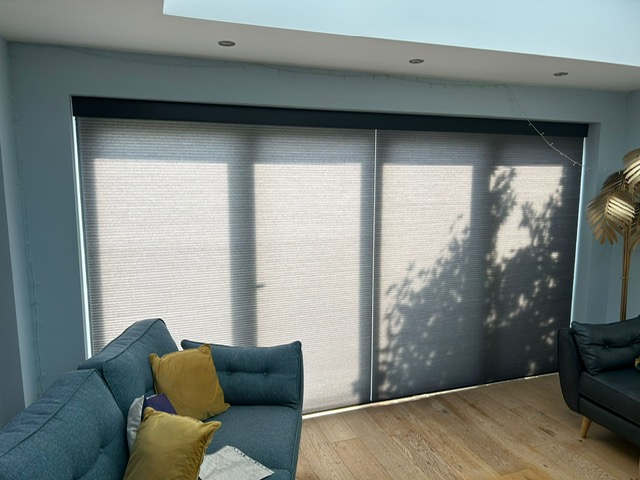
These clever designs trap air in little pockets like the inside of a puffer jacket. That trapped air slows heat transfer and acts as a mini insulation layer.
Blackout & Heavy Fabrics
Thicker materials naturally resist heat movement more than thin, lightweight fabrics.
(And yes blackout blinds can do double duty on both light and heat.)
Well-Fitted Blinds
A good fit makes all the difference.
Blinds that hug the window recess leave less room for air to leak around the edges.
And don’t forget shutters they can insulate too, depending on how snugly they close and what they’re made of.
Simple Habits That Go a Long Way
Here’s a dead-simple winter habit that works:
- Open blinds during daylight hours to let the sun warm rooms naturally
- Close them at dusk to trap that warmth in
No timers, no tech, no trickery just a smart rhythm that uses nature to your advantage.
Final Thought: Comfort You Can Feel Savings You Can Build On
We don’t always think of window coverings as energy tools.
But when thoughtfully chosen, blinds do more than soften the light or dress a room they help shape how your home feels.
And in winter, when the cold sets in and bills go up, that feeling matters.
So next time you’re choosing blinds, think beyond the fabric swatch.
You’re not just picking a look you’re picking a little extra comfort, and a lot more control.
Do blinds help with heat loss?
Yes especially in winter. Certain blinds, like honeycomb or cellular designs, help reduce heat loss by creating an insulating layer between your window and the room. This slows down how quickly warmth escapes, keeping your space more comfortable and energy-efficient.
What are the most energy-efficient blinds?
The most energy-efficient blinds include:
- Honeycomb (cellular) blinds – trap air in pockets for insulation
- Blackout blinds – thicker fabrics reduce heat transfer
- Well-fitted blinds minimize gaps around the window
Shutters can also add insulation depending on design and fit.
How do I use blinds to reduce heating bills?
Use blinds strategically:
- Open during the day to let sunlight naturally warm your home
- Close at dusk to trap that warmth in
Doing this consistently can reduce how often your heating system needs to run.
Do blinds really make a difference in winter?
Yes, especially when fitted well. While blinds won’t generate heat, they do help maintain room temperature by slowing heat loss through windows one of the weakest thermal points in most homes.
Are thermal blinds worth the investment?
Thermal blinds are a long-term investment. They don’t just add comfort they also help reduce energy use and heating costs over time, making them worth it in both comfort and savings.

About Phil Coleman
Phil Coleman is the fifth generation of his family to run Barlow Blinds, a Leicester business that has been making blinds since 1887. With over 30 years of hands-on experience, Phil has played a leading role in shaping industry standards including being part of the team that wrote the only NVQ qualification for blind and shutter installers. He also serves on the Management Committee of the British Blind & Shutter Association (BBSA), helping to set best practice across the trade. Under his leadership, Barlow Blinds has remained true to its founding principle: “It’s not our job to find customers for our blinds, it’s our job to find the right blinds for our customers.”