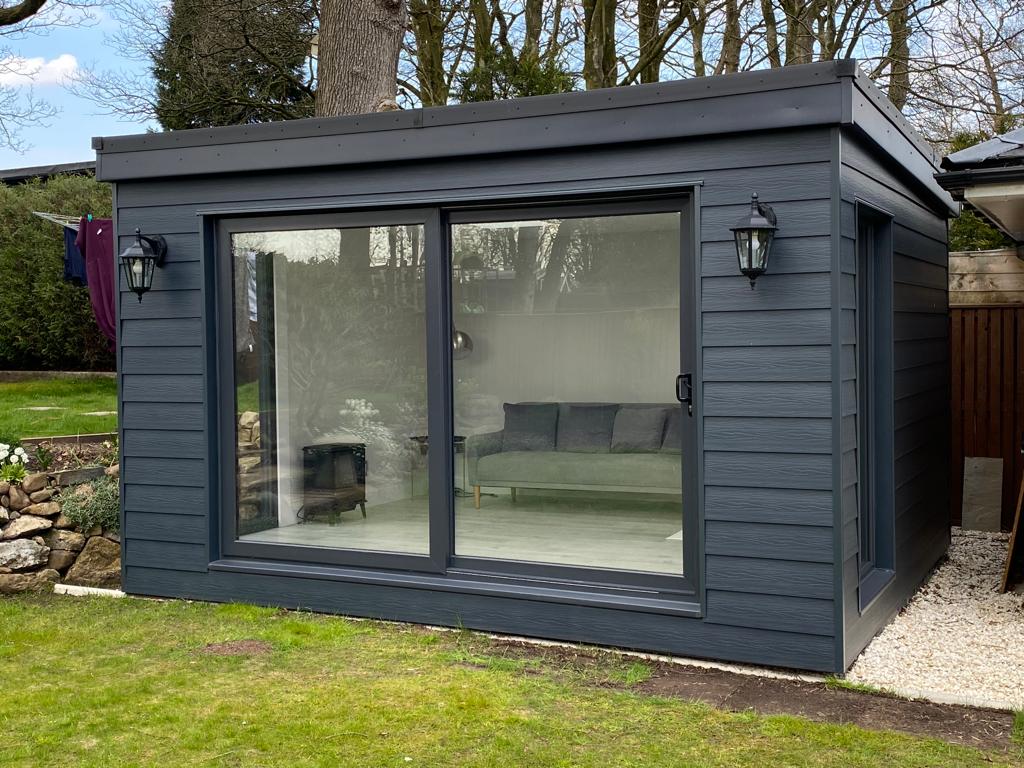
“We thought we knew what we wanted… until we saw it all together.”
A conversation from a visit in Enderby today.
Brand new garden room.
Home office.
South-facing.
Which sounds great… until midday hits.
☀️ The sun floods in
💻 Screens become hard to read
🔥 The room heats up fast
You could actually see it light bouncing straight onto the desk where they’d be working every day.
The starting point
On paper, the plan they had in mind for their blinds made total sense:
• Perfect Fit cellular blinds for the two windows
• Vertical blind for the sliding patio doors
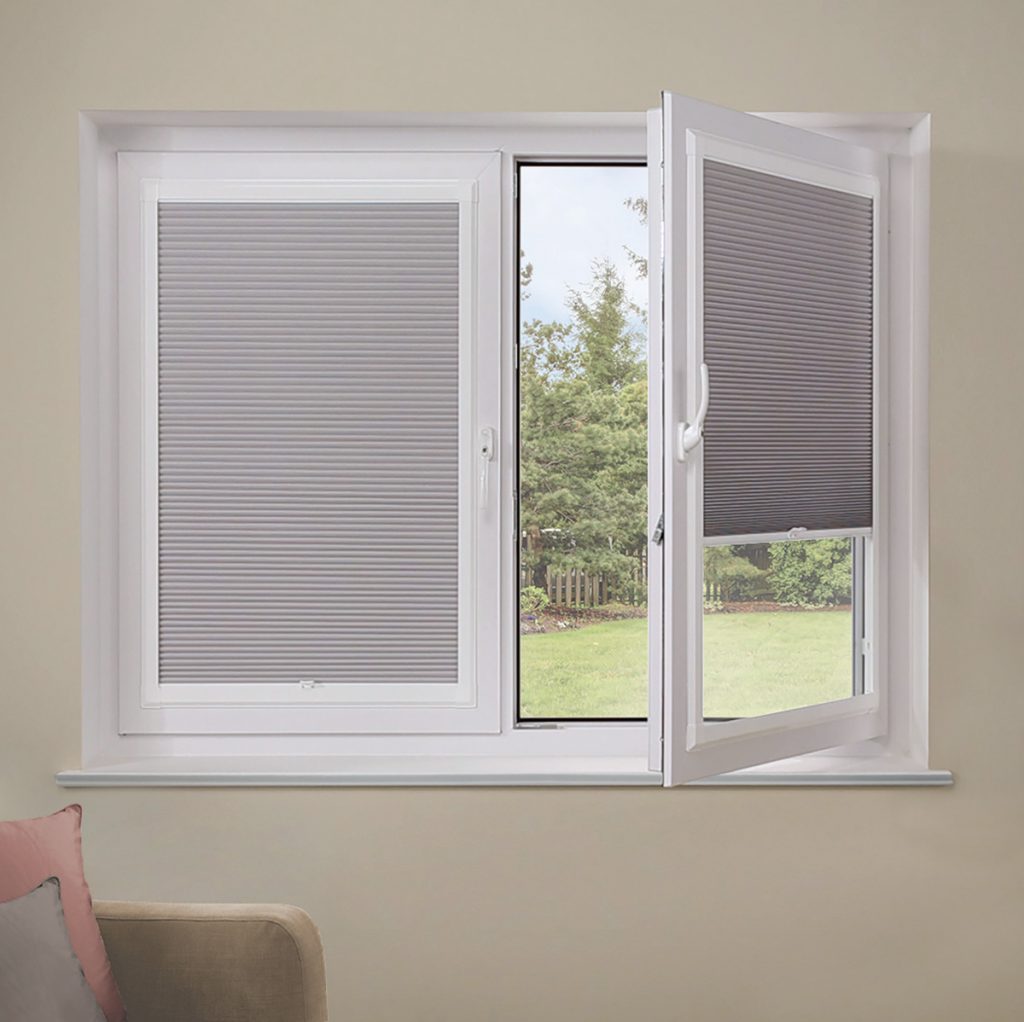
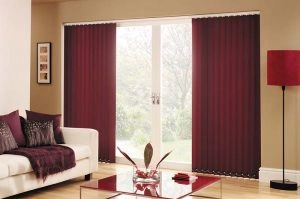
Individually? All good options.
But when we stood back and looked at it properly…
…it felt off straight away.
Not because anything was “wrong” but because nothing tied together.
Different blind styles.
Different lines.
Different finishes.
In a brand new room that had clearly been designed beautifully…
…it just didn’t feel finished.
The real question
This wasn’t really about privacy.
It was about this:
How do you control the sun…
without losing what makes the room feel so good in the first place?
What we recommended instead
Motorised roller blinds.
Across all three openings.
Not as three separate decisions but as one system for the whole room.
Why this worked better
✔ One clean, consistent look
No visual clash. Everything aligns.
✔ Control the light, not block it
Reduce glare when you’re working…
let the light flood back in when you’re not.
✔ Out of the way when you don’t need them
Blinds up = full view of the garden
Blinds down = instant comfort
✔ No cords or chains
Cleaner. Safer. Simpler.
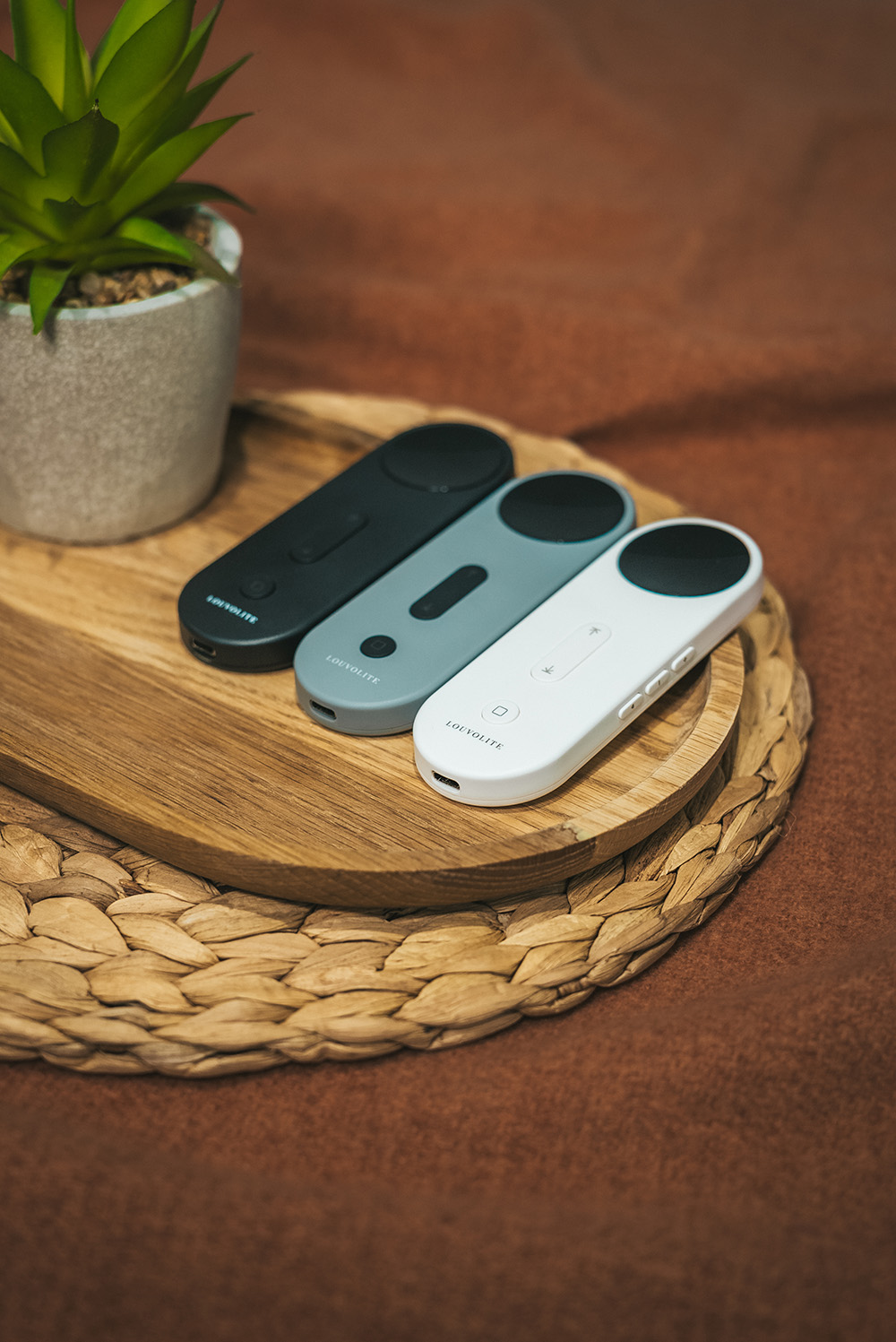
✔ Control from two places
One remote in the garden room
One inside the house
So even on bright mornings…
the room is already comfortable before you step inside.
The honest bit (most companies won’t say this)
Motorised blinds aren’t the cheapest option.
And if this was just a spare room used occasionally…
you probably wouldn’t need them.
But in a space like this where you’re working every day, dealing with glare, heat, and light…
they don’t just “finish” the room.
They completely change how usable it is.
The shift
From:
“Blinds for each window”
To:
“A system designed around how the room is actually used.”
The result
A space that works with the sun… not against it.
And looks like it was always meant to be that way.
Having the extra remote in the house allows them to control the blinds without walking up the garden and having to open things up.
Sunny morning... close the blinds from your kitchen to help reduce the heat inside, and prevent fading.
Finished for the day or going away and forgotten to close the blinds in the garden room, press the button from your kitchen. Job done
Final thought
If you’re planning a garden room or home office, here’s the mistake we see all the time:
👉 People design for the windows
👉 Instead of designing for the sun
And that decision shows up every single day when you try to use the room.
❓ FAQs (TRUST-BUILDING SECTION)
Do motorised blinds really make that much difference?
Yes especially in south-facing rooms.
It’s not just convenience, it’s about consistent light control throughout the day, which massively improves comfort and usability.
Are motorised blinds worth the extra cost?
It depends on the room.
If it’s a space you use daily (home office, garden room, living space), the answer is usually yes.
If it’s occasional use, manual options may be perfectly fine.
What’s the biggest mistake people make with blinds in garden rooms?
Buying blinds for the ‘look’ rather than the job you need the blinds to do.
Instead of stepping back and asking:
“How does this whole space need to function throughout the day?”
Will blinds block too much light?
Not if they’re chosen properly.
The goal isn’t to darken the room it’s to control glare and heat while keeping the space bright and usable.
Choosing light filtering fabrics that still provide light control and privacy and avoiding blackout fabrics.
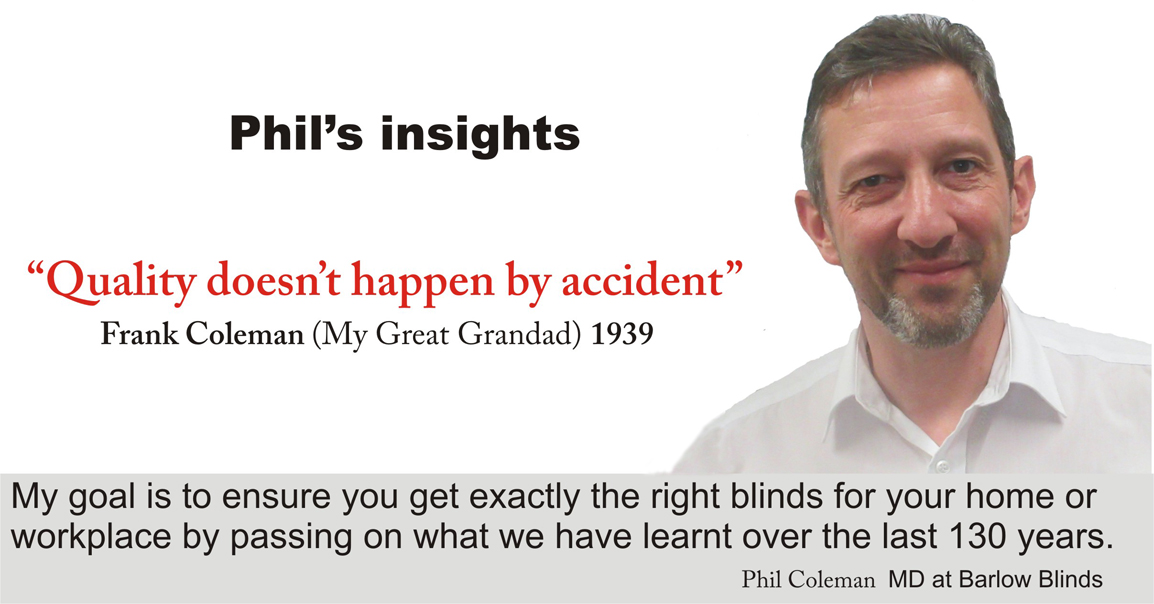
About Phil Coleman
Phil Coleman is the fifth generation of his family to run Barlow Blinds, a Leicester business that has been making blinds since 1887. With over 30 years of hands-on experience, Phil has played a leading role in shaping industry standards including being part of the team that wrote the only NVQ qualification for blind and shutter installers. He also serves on the Management Committee of the British Blind & Shutter Association (BBSA), helping to set best practice across the trade. Under his leadership, Barlow Blinds has remained true to its founding principle: “It’s not our job to find customers for our blinds, it’s our job to find the right blinds for our customers.”