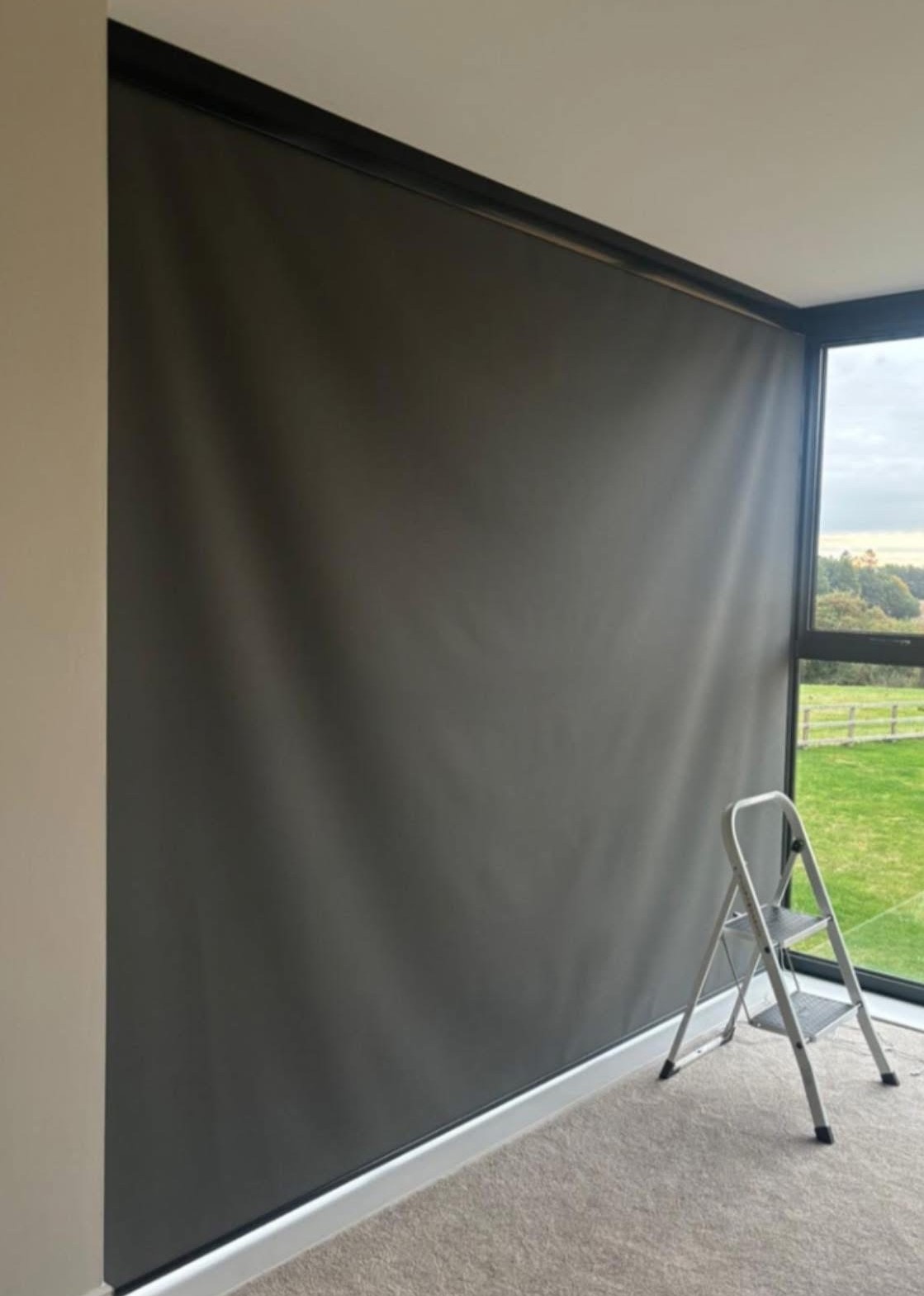
6 Common Roller Blind Problems (And Why They Happen)
Roller blinds are one of the simplest window coverings you can buy.
A piece of fabric.
A tube.
A mechanism.
That’s about it.
But despite being simple, roller blinds can still develop problems over time.
Over the years we’ve been asked to repair or replace thousands of roller blinds, and most of the time the issue isn’t the design of the blind itself.
It usually comes down to how the blind was made or how it was installed.
Small shortcuts during manufacturing or installation can lead to frustrating problems later on.
Here are the six issues we see most often.
1. Roller Blinds Not Rolling Up Evenly
One of the most common complaints is a blind that rolls up crooked or unevenly.
You pull it up, and instead of rolling neatly onto the tube, the fabric drifts to one side.
Over time this causes:
- creasing
- fabric wear
- eventually the blind jamming
This usually happens for one of two reasons.
The fabric wasn't cut square
If the fabric isn’t cut perfectly straight during manufacturing, the blind will slowly drift sideways each time it rolls up.
The brackets aren’t level
If the brackets aren’t installed level, the tube sits at a slight angle and the fabric naturally shifts to one side.
Good roller blinds avoid this problem by using:
- Precisely cut fabrics
- Level bracket installation using a fixing plate or cassette.
- Heavier Aluminium bottom bar rather than hollow plastic
They’re small details but they make a big difference.
2. Fraying Fabric Edges
If the edges of your roller blind start to fray, it’s usually due to how the fabric was cut during manufacturing.
Many cheaper blinds are cut using:
- scissors
- cold knife cutting
This leaves a raw fabric edge, which slowly starts to break down as the blind moves up and down.
Higher-quality blinds use a process called crush cutting or heat sealing.
This seals the fabric edge during manufacturing and prevents the fibres from fraying.
It’s a detail most homeowners never notice but it has a huge impact on how long a blind lasts.
3. Barrel Deflection (When the Tube Bows)
This is something many homeowners notice but don’t know the name for.
You lower the blind and the middle of the tube dips slightly.
The roller tube is bending under the weight of the fabric.
This is known as barrel deflection.
It usually happens when:
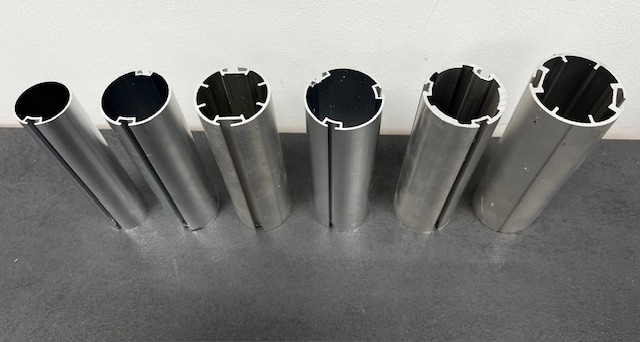
• the tube diameter is too small
• the blind is too wide for the tube used
• low-quality aluminium tubes are used
Wider blinds need larger, stronger tubes to support the fabric properly.
Cheaper blinds often use smaller tubes because they cost less but this can lead to the tube bending over time and shorten the lifespan of your blind..
A properly specified roller blind uses the correct tube size for the width of the blind.
4. Roller Blind Won’t Stay Up
You pull the blind up.
Let go.
And slowly… it drops back down again.
This is usually caused by a worn or low-quality spring mechanism inside the roller.
Over time the spring can lose tension, meaning it can no longer hold the blind in place.
In some cases the blind was never tensioned correctly during installation.
A good-quality mechanism should hold the blind exactly where you leave it whether that’s fully open, halfway down, or anywhere in between.
Our supplier of choice is Louvolite because every batch of their mechanisms are 10 year lifecycle tested. That is up and down twice a day for 10 years (7300 movements).
To see Louvolite's testing in action watch their youtube video here
5. Fabric Curling at the Sides
Curling edges are very common with lower-cost roller blinds.
This happens because roller blind fabric has memory.
The fabric arrives from the manufacturer on large rolls.
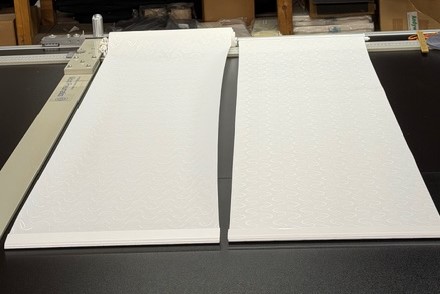
If the blind is cut the wrong direction from the roll, the edges will try to curl back to their original shape.
The cheapest way to cut blinds is across the width of the roll.
But the correct way is often cutting for the drop, so the natural curl wraps around the tube.
The downside?
It wastes more fabric during manufacturing.
But the result is a blind that sits flat against the window which is exactly how it should work.
6. Poor Fixing or Installation
Sometimes the blind itself is perfectly fine.
The problem is simply how it was installed.
Common installation mistakes include:
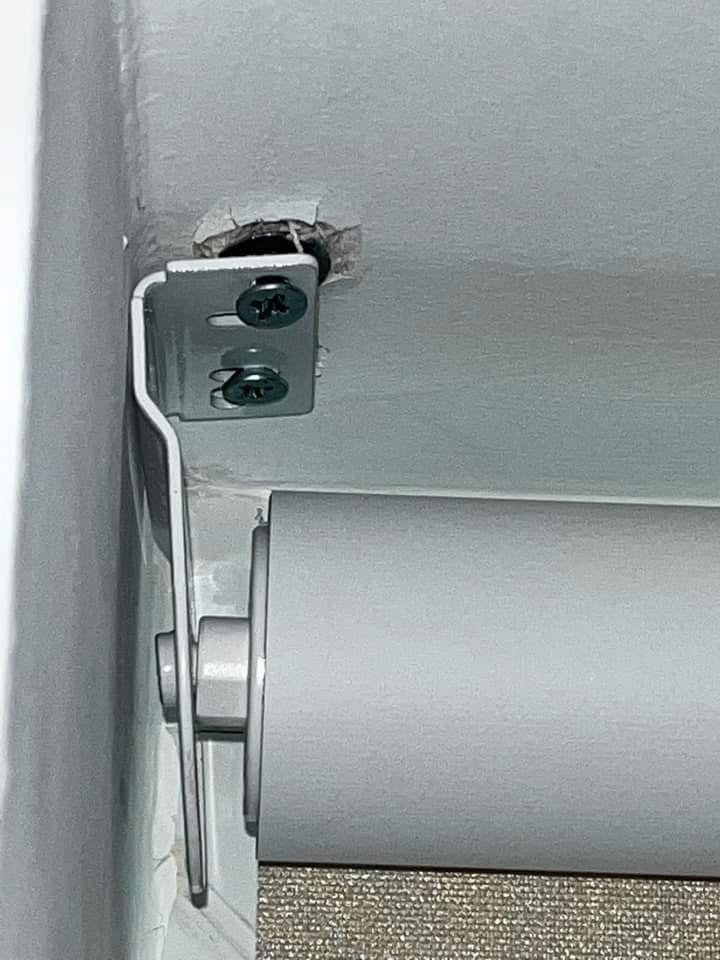
• screws fixed into plasterboard without proper wall plugs
• brackets installed out of level
• fixings too close together so blind is stiff to operate
• insufficient support on wide blinds
When this happens, blinds can:
- tilt
- become uneven
- eventually pull out of the wall.
Good installation is just as important as good manufacturing.
How Much Does It Cost to Fix a Roller Blind?
Some roller blind problems can be repaired, depending on the issue.
Typical repair costs may include:
• Replacing a mechanism: £20–£50
• Replacing a roller tube: £40–£90
• Re-cutting or replacing fabric: more cost-effective than replacing the whole blind.
Most blind companies in the UK do not make their own blinds so these simple fixes may not be an option.
Its always worth asking the question BEFORE buying your blinds if the person you are talking to is a blind maker or just an installer.
The UK’s largest blind retailer Hillarys do not offer an out of guarantee repair service, just a discount off a new blind.
How Much Does a New Roller Blind Cost?
The price of a new roller blind varies depending on the quality and whether it’s made to measure.
Typical prices include:
• Budget roller blinds from a DIY store: £20–£80
• Mid-range blinds usually on line for self fitting: £80–£180
• Made-to-measure blinds, measured and installed: £150–£300+
Higher-quality blinds tend to use:
- stronger tubes
- better mechanisms
- properly cut fabric
Which helps prevent many of the problems listed above.
How to Avoid These Roller Blind Problems When Buying
If you're buying new roller blinds, a few small details can make a big difference.
Look for blinds that have:
1. The correct tube size
Wider blinds should use larger tubes to prevent bending.
2. Heat-sealed or crush-cut fabric edges
This prevents fraying over time.
3. Fabric cut in the correct direction
This helps prevent the edges from curling.
4. Quality mechanisms
Cheap mechanisms wear out quickly. UK made and lifecycle tested is a good option.
5. Proper installation
Ask for a fixing plate or a cassette, these perfect bracket spacing and multi fixing options.
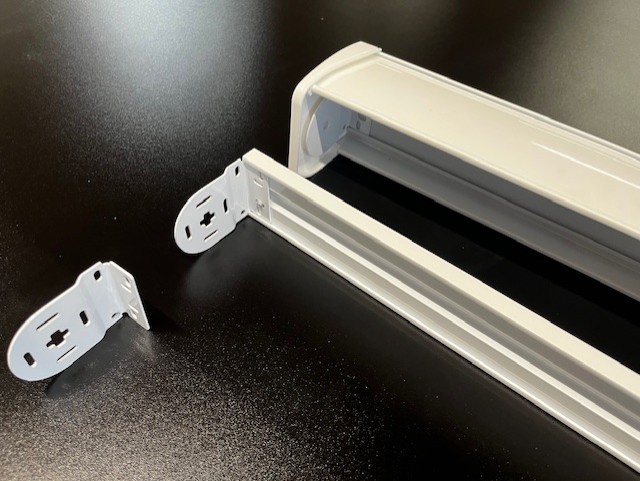
These are questions most professional estimators should be able to answer, or be able to find the answers with a simple phone call.
Most roller blind issues come from shortcuts in manufacturing or installation, not the blind design itself.
Are Roller Blinds Reliable?
Despite the problems above, roller blinds are actually one of the most reliable types of window coverings.
They have far fewer moving parts than many other blinds, such as:
- Venetian blinds
- vertical blinds
- Roman blinds
When made properly and installed correctly, a good roller blind should last many years of everyday use.
The Truth About Roller Blind Problems
Most roller blind problems aren’t caused by the design of the blind itself.
They’re caused by shortcuts.
Cheaper materials.
Faster manufacturing.
Less careful installation.
A well-made roller blind should roll smoothly, sit flat against the window, and last for years.
When it doesn’t, there’s almost always a reason.
And more often than not, the reason is hidden in the details.
FAQs
Why does my roller blind roll up crooked?
This usually happens when the fabric was not cut square during manufacturing or the brackets were installed out of level.
Why are the edges of my roller blind fraying?
Fraying normally occurs when the fabric edges were not heat sealed or crush cut during production.
Why does my roller blind tube bend in the middle?
This is called barrel deflection. It happens when the tube diameter is too small for the width of the blind.
Why won’t my roller blind stay up?
This is typically caused by a worn spring mechanism or incorrect tensioning.
Why are my roller blind edges curling?
Curling edges usually happen when the blind fabric was cut in the wrong direction from the roll.
How long should a good roller blind last?
A well-made and properly installed roller blind should last many years with normal daily use.
Article written by Ady Mumford Factory manager at Barlow Blinds
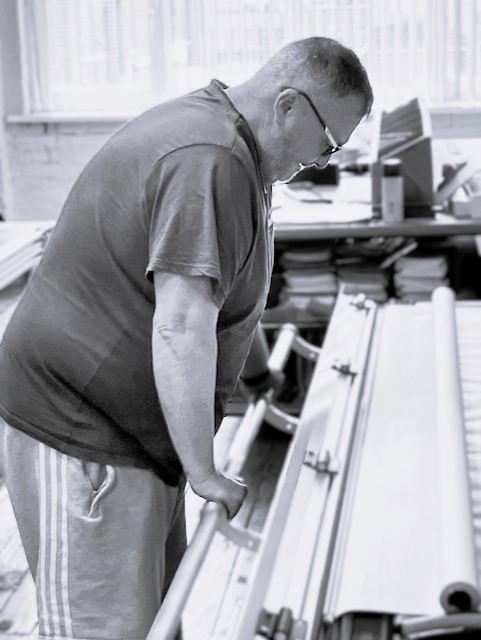
Ady Mumford – Factory Manager
Ady has spent over 25 years in the Barlow Blinds factory and understands blinds manufacturing down to the smallest detail. As Factory Manager, he leads the team that makes many of our blinds right here in Leicester, ensuring every product leaving the factory meets the standards we’ve built our reputation on.